Are your solar collector systems really maximizing energy efficiency?
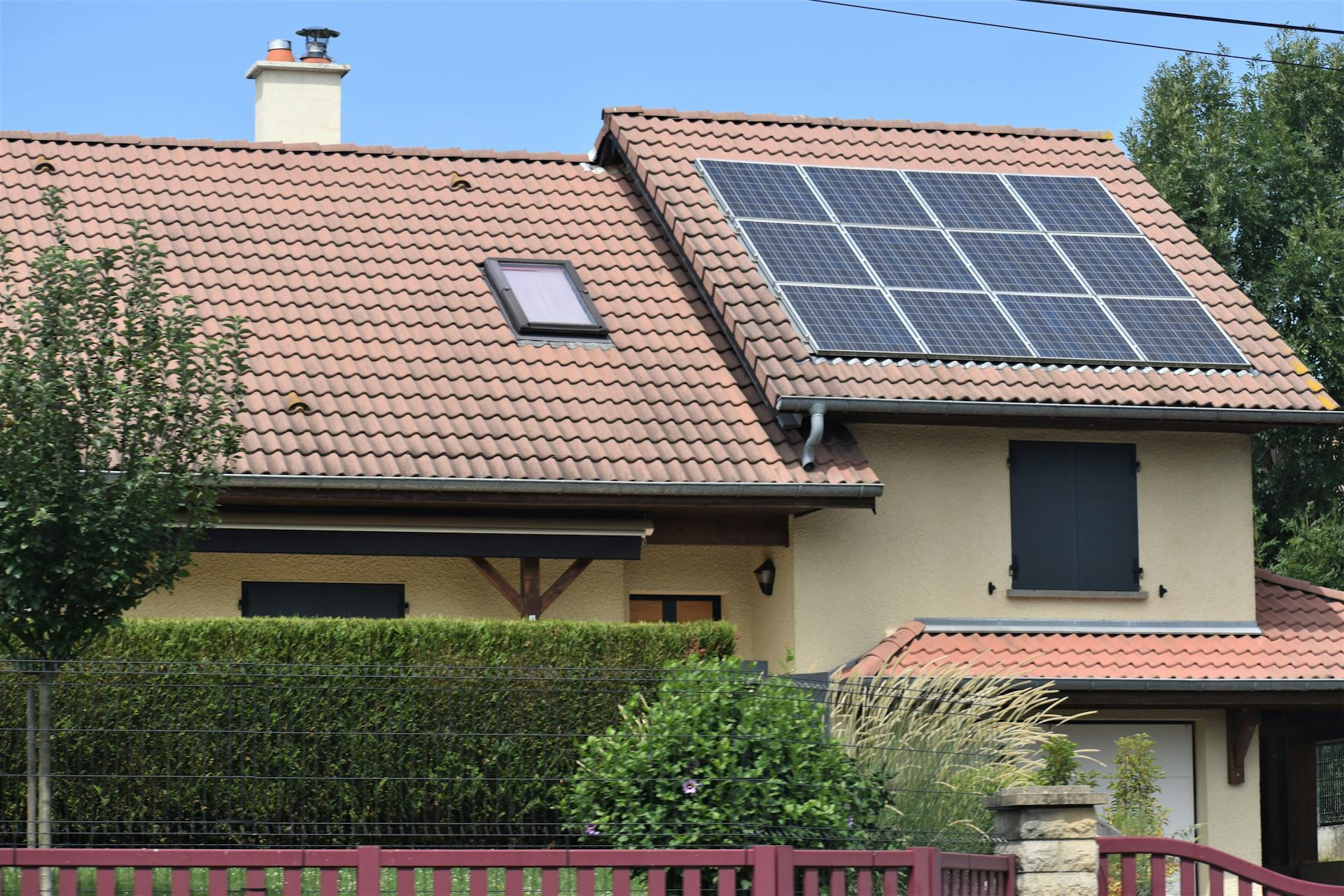
Are your solar collector systems really maximizing energy efficiency?
As renewable energy gains traction, solar collector systems have become a popular choice for homeowners and businesses alike. These systems harness sunlight to produce heat, contributing to energy efficiency. However, many users may not fully understand how to optimize their solar collectors for maximum efficiency. This article dives into key factors that influence the performance of solar collector systems and provides practical tips for enhancing energy efficiency.
Understanding Solar Collectors
Solar collectors are devices that capture sunlight and convert it into usable energy, typically in the form of heat. There are two primary types: flat-plate collectors and evacuated tube collectors. Flat-plate collectors are more common and consist of a dark surface that absorbs sunlight, while evacuated tube collectors use a series of glass tubes to reduce heat loss. Understanding the type of solar collector you have is essential for optimizing its efficiency.
Location Matters
The geographical location of your solar collector system significantly affects its performance. Solar insolation, the amount of sunlight received in a given area, varies by region and time of year. To maximize energy efficiency, consider the following:
- Optimal Placement: Install solar collectors in an area that receives direct sunlight for most of the day without obstructions like trees or buildings.
- Check Angles: The angle of your solar collector affects how much sunlight it captures. A tilt angle tailored to your latitude can enhance efficiency.
Regular Maintenance is Essential
Just like any other system, solar collectors require regular maintenance to perform efficiently. Dust, dirt, and debris can accumulate on the surface, blocking sunlight and reducing energy capture. Consider these maintenance tips:
- Clean Surfaces: Regularly clean your solar collectors to remove any grime that could obstruct sunlight.
- Inspect Connections: Check all connections to ensure that the fluid transfer system is functioning properly and leaks are addressed immediately.
Insulation Improves Efficiency
Effective insulation is key to maximizing the performance of solar collector systems. When heated fluid circulates through your system, it is crucial to minimize heat loss. To achieve this, focus on:
- Insulated Pipes: Use insulated pipes for the transfer of heated fluid to reduce energy losses.
- Storage Tank Insulation: Ensure your solar water storage tank is well-insulated to keep hot water hot for longer periods.
Monitor System Performance
To ensure that your solar collector systems are operating at peak efficiency, constant monitoring is crucial. Several methods to assess performance include:
- Install Monitoring Equipment: Utilize technology to monitor temperature, fluid flow rates, and overall system performance.
- Analyze Data: Regularly review performance data to identify trends and adjust settings as needed.
Utilizing Backup Systems
While solar collector systems can significantly reduce energy costs, relying solely on them may not always be feasible. To enhance reliability, consider integrating backup systems:
- Hybrid Systems: Combining solar collectors with traditional heating systems can provide a safety net during periods of low sun exposure.
- Smart Controls: Invest in smart control systems that can automatically switch between solar and backup energy sources based on demand and weather conditions.
Incentives and Incentivized Upgrades
Government incentives and rebates can assist in upgrading solar collector systems. Research local programs that promote energy efficiency and see if you qualify for any financial benefits. These upgrades can contribute to improved energy capture and reliability.
By leveraging available resources and technology advancements, you can enhance the efficiency and reliability of your solar collector systems. Maintaining an optimal system not only saves money but contributes to a more sustainable future. Evaluating your setup regularly will play a pivotal role in maximizing your energy efficiency.