Enhance your living space: The transformative power of house plants
Enhance your living space: The transformative power of house plants
The Beauty of Nature Indoors
Bringing house plants into your living space can have a profound impact on your home environment. They provide natural beauty, making any room feel more inviting and vibrant. Plants come in various shapes, sizes, and colors, allowing you to select the perfect greenery that complements your decor. From lush ferns to colorful succulents, there’s a plant for every style and preference.
Improving Air Quality
One of the most compelling reasons to add house plants to your living space is their ability to improve indoor air quality. Many common house plants, such as snake plants and peace lilies, are known for their air-purifying properties. They absorb carbon dioxide and release oxygen, helping to create a healthier atmosphere in your home.
Additionally, some plants can filter out harmful toxins like formaldehyde and benzene, which are often found in household items and building materials. By incorporating house plants into your environment, you can breathe easier and enjoy the benefits of cleaner air.
Enhancing Mood and Well-Being
House plants can have a significant impact on your mental health and overall well-being. Studies have shown that being around greenery can reduce stress levels, increase feelings of calm, and boost mood. The presence of plants can evoke feelings of happiness and contentment, making your living space a more enjoyable place to be.
Moreover, nurturing and caring for house plants can provide a sense of purpose and accomplishment. Watching a plant grow and thrive under your care creates a rewarding experience that can enhance your emotional well-being.
Creating a Focal Point
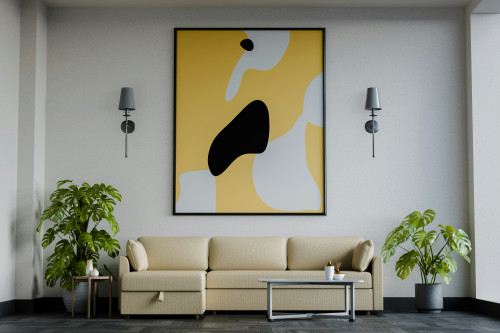
House plants can serve as stunning focal points in a room, drawing attention and sparking conversation. A tall fiddle leaf fig in the corner can become the centerpiece of your living room, while a cluster of smaller succulents on a coffee table can add interest and charm. By strategically placing plants around your home, you can guide the eye and create visually appealing arrangements.
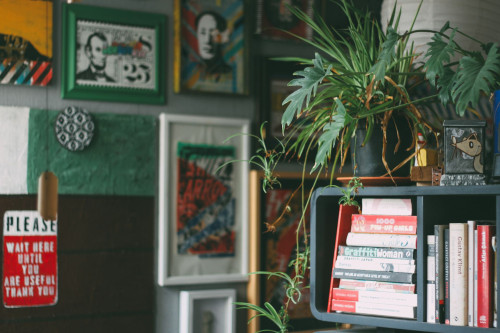
Consider using plants to highlight certain areas or features in your space. For instance, a trailing plant can beautifully cascade from a shelf, softening sharp lines, while a terrarium can add a touch of whimsy to your decor.
Low Maintenance Options
Worried about the upkeep? Many house plants require minimal care, making them ideal for busy lifestyles. Succulents and cacti, for example, thrive on neglect and only require occasional watering. These low-maintenance options allow you to enjoy the benefits of greenery without the stress of constant care.
If you prefer something a bit more vibrant, consider pothos or ZZ plants. These resilient varieties can tolerate varying light conditions and infrequent watering, making them perfect for indoor environments.
Indoor Gardening: A Personal Touch
Incorporating house plants into your living space allows for a unique form of self-expression. The types of plants you choose can reflect your personality and style. You may prefer the sleek appearance of a snake plant or the blooming beauty of an orchid. The process of selecting, arranging, and caring for your plants can become a delightful hobby.
A mini herb garden in your kitchen can be both functional and decorative, offering fresh ingredients and a burst of greenery. Similarly, creating a relaxing corner with various plants can serve as a personal retreat within your home.
Maximizing Small Spaces
Even in small living spaces, house plants can work wonders. Vertical gardens, hanging planters, and wall-mounted shelves allow you to incorporate greenery without sacrificing precious floor space. These creative solutions help you maximize your area while adding depth and interest to your surroundings.
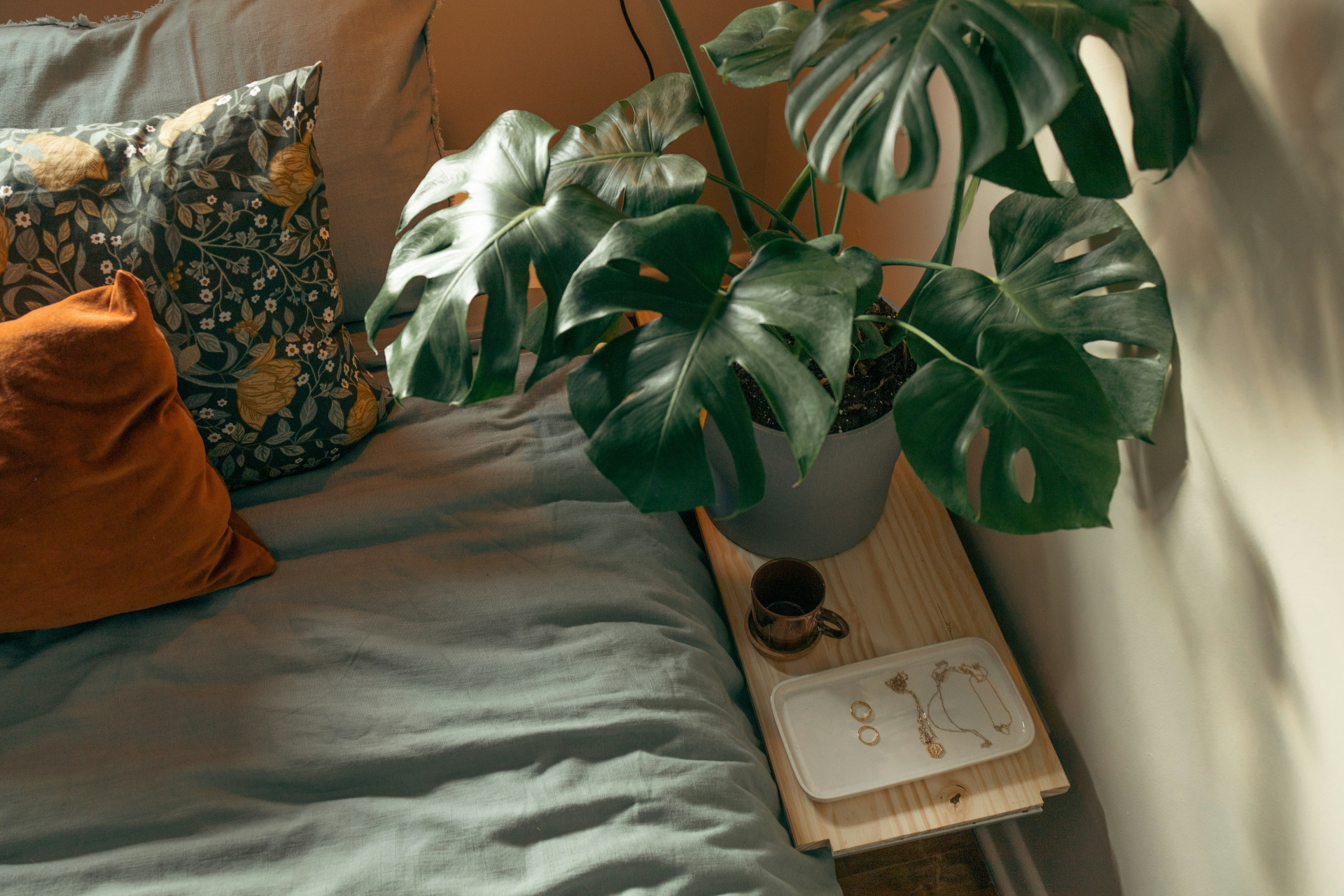
Utilizing smaller pots and groupings can also create a stunning display on windowsills, bookshelves, or side tables. The key is to think outside the box and customize your indoor garden to fit your unique space constraints.