A maintenance plan that keeps your home healthy and durable

A maintenance plan that keeps your home healthy and durable
A home needs regular care to stay safe, comfortable, and valuable. Small issues can quickly turn into costly repairs if they go unnoticed. A maintenance plan helps you stay organised and ensures your home remains in good condition year after year. Here’s a guide to creating a plan that suits your home and lifestyle in the UK.
Why a maintenance plan matters
Your home is likely one of your biggest investments, so it makes sense to look after it properly. A maintenance plan helps you:
- Prevent damage – by spotting problems such as damp, leaks, or cracks before they worsen.
- Manage your budget – by spreading costs over time and avoiding unexpected expenses.
- Preserve value – a well-maintained home is more attractive to buyers if you decide to sell.
- Enjoy peace of mind – knowing that everything is in good working order.
In short, planned maintenance is far cheaper and less stressful than emergency repairs.
Læs også:


Start with a full inspection
Before you can plan, you need to know the current condition of your home. Take a systematic approach and inspect it from roof to foundations. Note what’s in good shape and what needs attention or replacement.
You can divide your inspection into key areas:
- Roof and gutters – check for missing tiles, leaks, and blocked downpipes.
- Walls and foundations – look for cracks, flaking paint, or signs of damp.
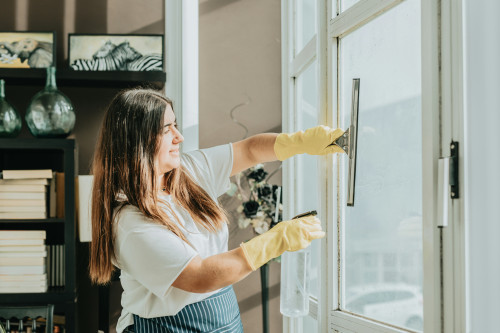
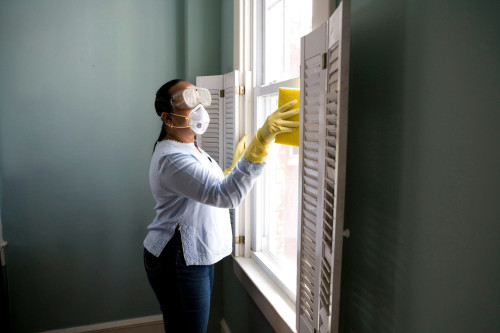
- Windows and doors – inspect seals, hinges, and paintwork.
- Plumbing, electrics, and heating – ensure everything is safe and functioning properly.
- Indoor environment – watch for condensation, mould, and poor ventilation.
If you live in an older property, consider getting a professional survey to identify hidden issues before you start planning.
Plan your maintenance by season
Breaking tasks down by season makes them easier to manage. Here’s a simple structure to follow:
- Spring: Clear gutters, check the roof after winter storms, and look for damp patches. Refresh exterior woodwork with paint or oil.
- Summer: Repair cracks in walls, repaint exterior surfaces, and service outdoor spaces while the weather is dry.
- Autumn: Prepare for winter by checking insulation, servicing the boiler, and sealing draughts. Clear gutters again before leaves block them.
- Winter: Keep an eye on indoor humidity, ventilate regularly, and ensure pipes are protected from freezing.
Following a seasonal rhythm helps you stay on top of maintenance without feeling overwhelmed.
Prioritise and budget
Not every task is urgent. Some can wait, while others need immediate attention. Divide your tasks into three categories:
- Urgent repairs – such as leaks, electrical faults, or roof damage.
- Preventive maintenance – like painting, sealing, and servicing heating systems.
- Improvements – such as upgrading insulation, replacing windows, or modernising the kitchen.
Create a 5–10-year budget to spread costs and plan for larger projects. This approach keeps your finances stable and avoids unpleasant surprises.
Keep records and review regularly
A maintenance plan isn’t something you make once and forget. Update it regularly. Record when each task was completed and when it’s due again. You can use a spreadsheet or a home maintenance app.
Keep receipts, warranties, and photos of completed work. This documentation helps you track progress and can be valuable if you ever sell your home.
Think sustainably and long-term
Maintenance isn’t just about fixing things – it’s also about making smart, sustainable choices. When replacing materials or systems, choose durable and energy-efficient options. They save money and reduce environmental impact over time.
Consider:
- Installing double or triple glazing.
- Using long-lasting, low-VOC paints and wood treatments.
- Fitting water-saving taps and showerheads.
- Improving insulation to cut heating costs.
Small, thoughtful upgrades today can make a big difference to your comfort, bills, and the planet.
A plan that brings peace of mind
A maintenance plan is more than a checklist – it’s an investment in your home’s health and your own wellbeing. When you know everything is in order, you can enjoy your home without worry. And if you ever decide to sell, a well-documented, well-maintained property will stand out to buyers.
Caring for your home is caring for your everyday life – and with a good plan, it becomes easier, more efficient, and far more rewarding.
Læs også: