Built-in wardrobe for the whole family – practical and well-organised

Built-in wardrobe for the whole family – practical and well-organised
A built-in wardrobe can be the perfect solution when the whole family needs to keep clothes, shoes and accessories in order – without clutter taking over. With the right planning, you can create a system that makes the most of your space and simplifies everyday life for everyone. Here’s how to design a wardrobe that suits your family’s needs – practical, organised and stylish.
Start by identifying your needs
Before you start sketching or ordering your wardrobe, think about who will use it and what it needs to hold. A family with young children will have different requirements from a couple or a shared household.
- Parents often need space for workwear, casual clothes and shoes – plus somewhere for bags and outerwear.
- Children need easy access to their clothes, which are changed frequently as they grow.
- Shared storage might be needed for bedding, towels or sports gear.
Make a list of what needs to fit in and how often each item is used. This helps you decide how to divide the wardrobe into sections and where to place them.
Læs også:
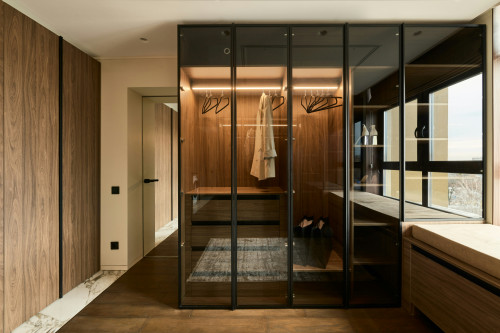
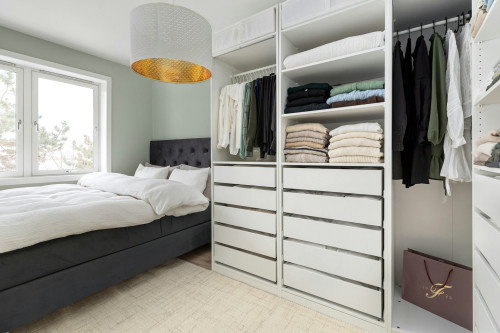
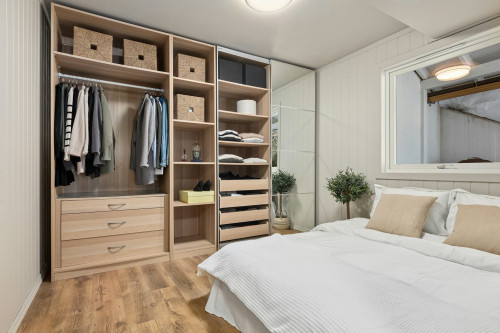
Make the most of every inch
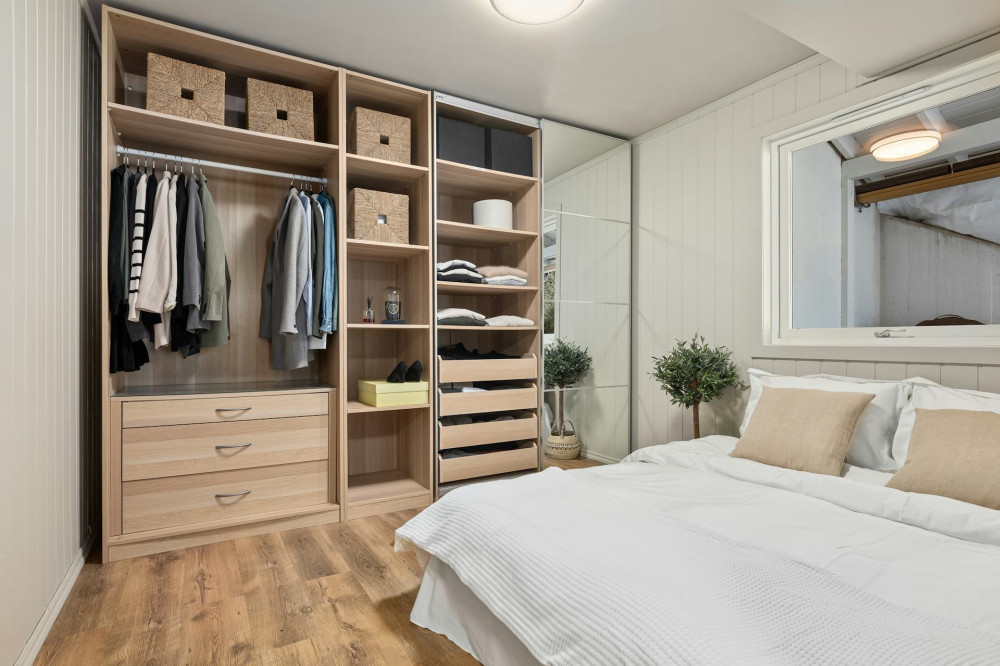
One of the biggest advantages of a built-in wardrobe is that it uses the full height and width of your wall – including those awkward upper and lower areas that often go to waste with freestanding furniture.
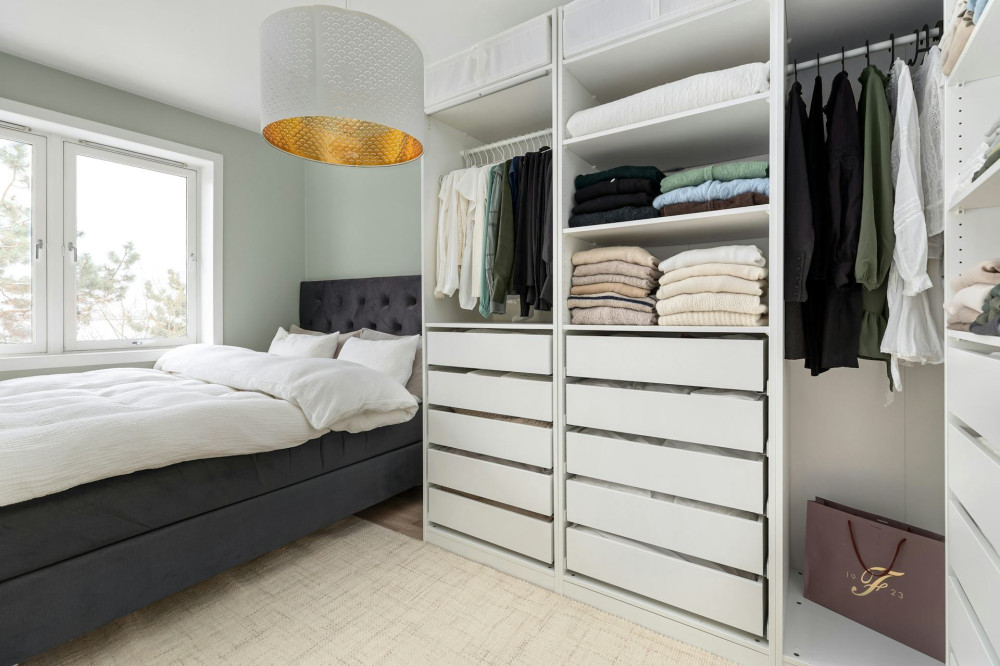
- Top shelves are ideal for seasonal storage – winter coats in summer and vice versa.
- The middle section should be easy to reach and hold the clothes you wear most often.
- The lower part can be fitted with drawers or baskets for shoes, sportswear or toys.
If your wardrobe is in a narrow room, consider sliding doors. They save space and give a clean, modern look.
Create structure with zones and systems
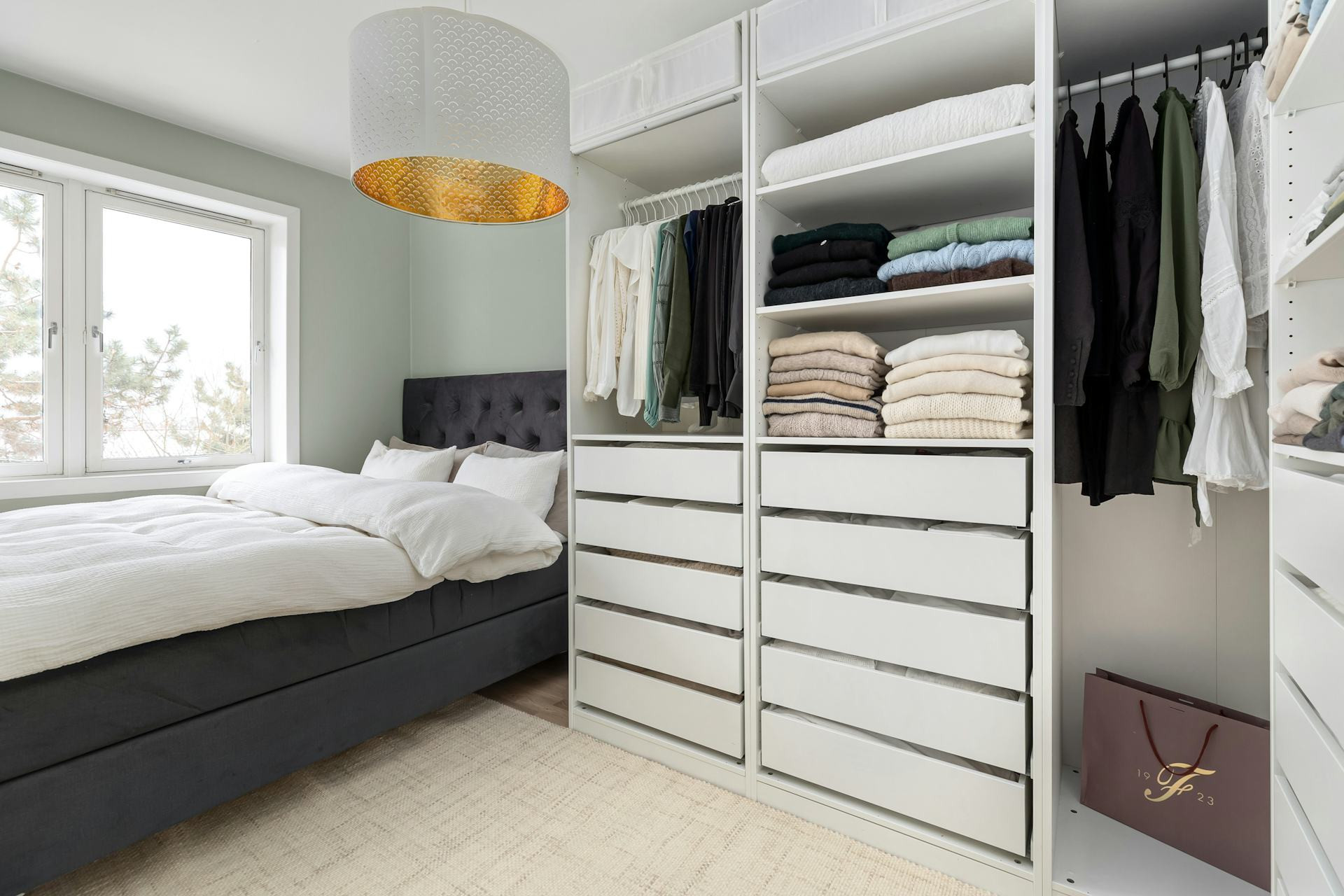
A wardrobe works best when everything has its place. Divide it into zones by function or by person – for example, one section for each family member.
Use a mix of storage types to keep things tidy:
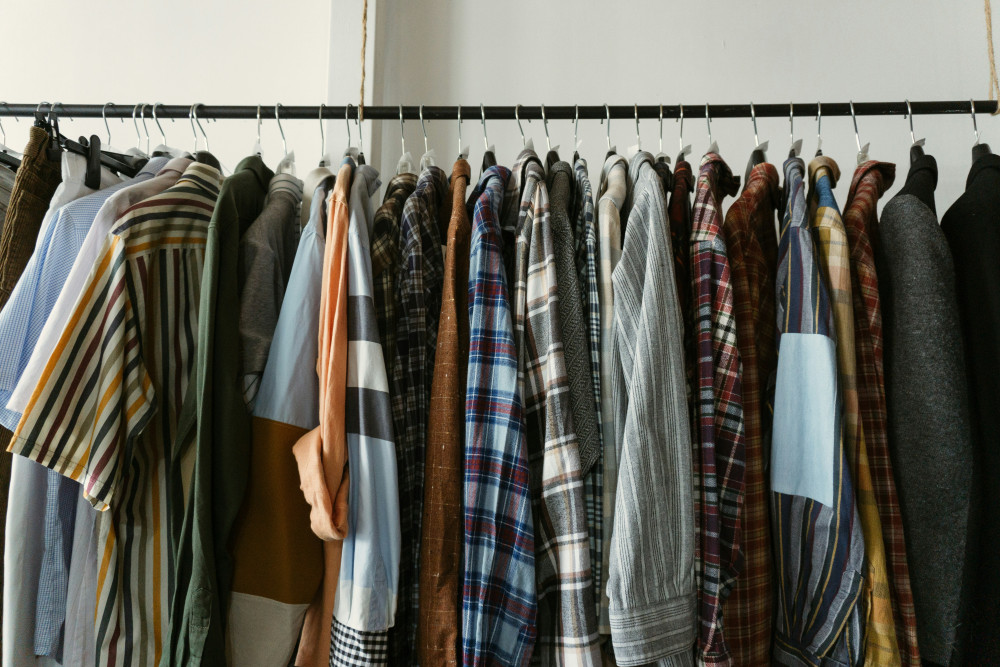
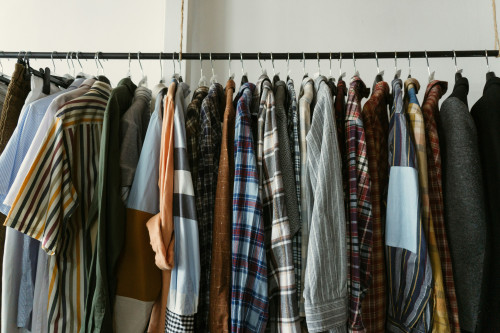
- Hanging rails for shirts, dresses and jackets.
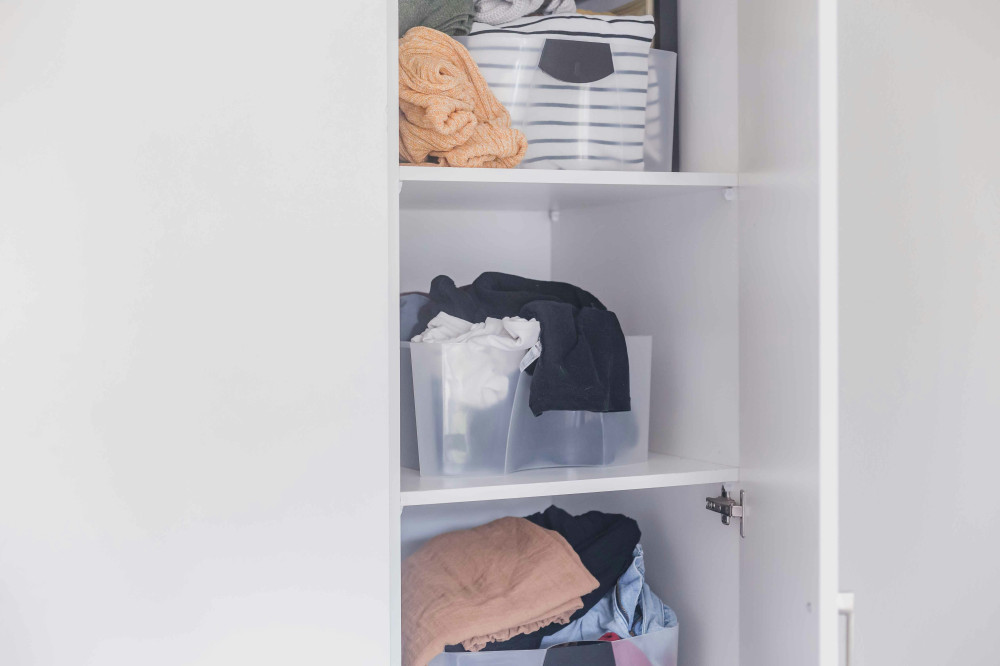
- Shelves for jumpers, jeans and boxes.
- Drawers for underwear, socks and smaller items.
- Baskets or bins for accessories like hats, gloves and belts.
A simple labelling system – such as colour codes or small signs – can help children find and put away their things easily.
Choose durable materials and thoughtful design
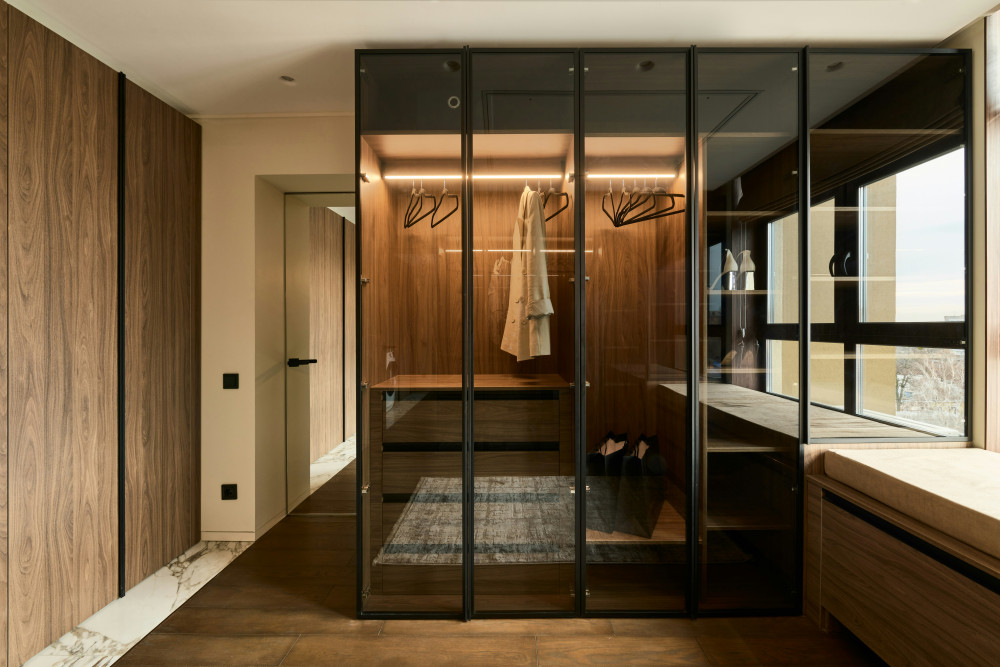
When a wardrobe is used by the whole family, durability is key. Laminated or melamine finishes are hard-wearing and easy to clean, while wood adds warmth and a natural feel.
Lighting also makes a big difference – built-in LED lights help you see clearly, even in darker corners. A mirror on the inside of the door or nearby wall completes the functionality and makes the space feel larger.
Make it child-friendly
A wardrobe works best when everyone can use it independently. For children, that means placing clothes and shoes within their reach. Install a lower hanging rail or baskets so they can take and put away their clothes themselves. It encourages independence and makes morning routines smoother.
You can also make the wardrobe more inviting for children by using colours, pictures or small symbols to show where things belong.
Keep it organised over time
Even the most well-planned wardrobe needs regular maintenance. Set aside time a few times a year to tidy up, sort through and adjust the layout. Children grow, needs change, and your wardrobe should evolve too.
A handy tip is to keep a “donation box” for clothes that no longer fit or are no longer worn. It helps you stay on top of what’s actually being used.
A wardrobe that grows with your family
A built-in wardrobe is an investment in both function and peace of mind. When designed thoughtfully, it can adapt as your family changes – from toddler years to teenage life and beyond.
With flexible solutions, smart organisation and durable materials, you’ll have a system that keeps everything in order – and contributes to a calm, harmonious home.
Læs også: