Light, Air and Temperature – Create Balance in Your Wellness Room


Light, Air and Temperature – Create Balance in Your Wellness Room
A wellness room is not just about luxury or design – it’s about balance. Light, air and temperature all play a vital role in how the space feels and functions. Whether you have a dedicated spa room, a bathroom with wellness features, or a quiet corner for relaxation, the right choices can create an atmosphere that invites calm and comfort. Here’s how to bring harmony to the three key elements of your wellness space.
Light – where the mood begins
Light is the first thing that touches our senses when we enter a room. In a wellness space, lighting should adapt to both activity and relaxation.
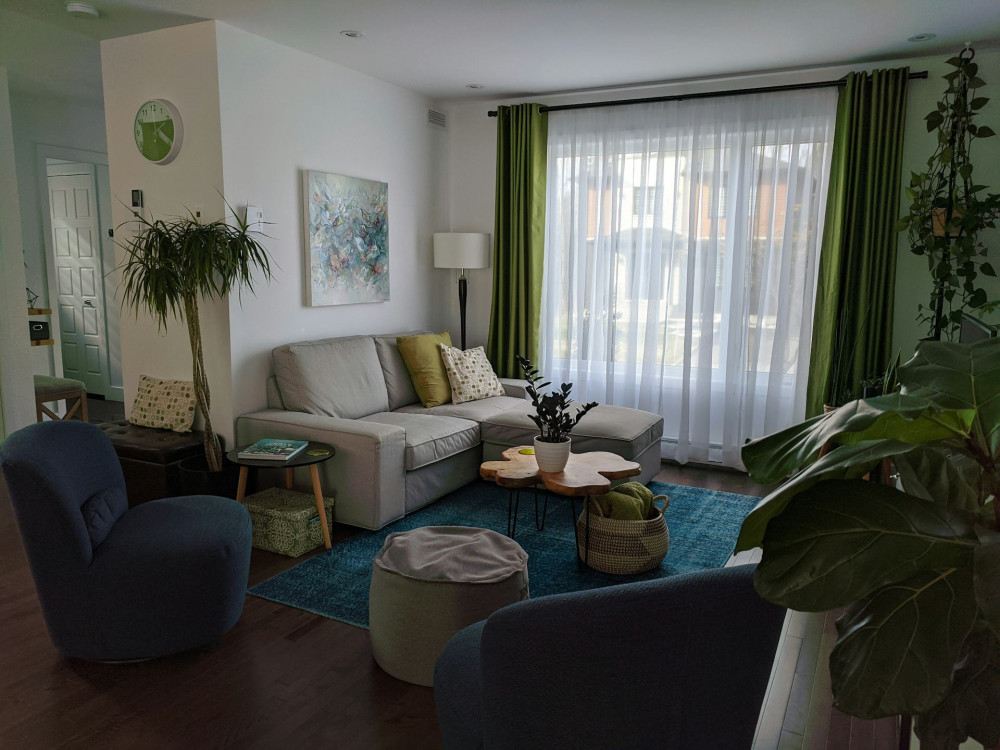
- Natural light: If your room has windows, make the most of daylight. It boosts energy and creates a sense of openness. Use sheer curtains or frosted glass to maintain privacy without blocking the light.
- Dimmable artificial light: Install lights with dimming options so you can adjust brightness to suit your mood. Warm, soft light feels soothing, while cooler tones are ideal for practical tasks.
- Indirect lighting: LED strips behind mirrors, under benches or along walls add a calm, luxurious glow. This layered lighting creates depth and makes the room more inviting.
Think in layers – a combination of ceiling lights, task lighting and ambient light gives flexibility and balance throughout the day.
Læs også:




Air – freshness and flow
A wellness room should feel light and fresh. Poor ventilation can quickly spoil the experience, especially in spaces with steam, heat and moisture.
- Effective ventilation: Make sure your ventilation system can remove humidity quickly after a shower or sauna. This prevents mould and keeps the air healthy.
- Natural airflow: If possible, open windows daily to let in fresh air. Even a few minutes of airing out can make a noticeable difference.
- Plants as air purifiers: Green plants such as peace lilies, ferns and snake plants help clean the air and bring a touch of nature indoors.
Air is not only about technology – it’s also about the feeling of space. Avoid overcrowding the room with furniture or décor. A wellness room should give you room to breathe, both physically and mentally.
Temperature – the sensory balance
Temperature sets the tone for comfort. Too cold, and your body tenses up. Too warm, and it becomes stifling. The right balance supports relaxation and wellbeing.
- Zoned heating: If you have underfloor heating, consider dividing it into zones. This allows you to keep the floor warm while maintaining a comfortable air temperature.
- Natural materials: Wood and stone are classic choices because they feel pleasant to the touch and help regulate temperature naturally. Combine warm surfaces with cooler textures for a balanced contrast.
- Sauna and steam: If your wellness room includes a sauna or steam area, ensure the rest of the space can handle temperature changes. Proper insulation and ventilation are essential to prevent damage.
Your wellness room should adapt to the seasons. In winter, it should feel warm and cocooning; in summer, light and refreshing.
The whole experience – when the senses align
When light, air and temperature are in harmony, a special sense of calm emerges – the hallmark of a well-designed wellness room. It’s not necessarily the most expensive solutions that create the best experience, but the most thoughtful ones.
Consider how you move through the space: What do you see first? How does the air feel? How does your body respond to the temperature? Small adjustments can make a big difference.
Ultimately, a wellness room is a personal retreat. It should reflect your rhythm, your needs and your way of finding peace. When you find balance between light, air and temperature, you also find balance within yourself.
Læs også: