Overlooked Special Settings: How to Get More Out of Your Appliances

Overlooked Special Settings: How to Get More Out of Your Appliances
Most of us rely on just a few familiar settings on our washing machine, dishwasher or oven – usually the quick or standard ones. But modern appliances are far more advanced than many people realise. Hidden behind buttons and menus are special programmes that can save time, energy and even extend the life of your clothes or cookware. Here’s how to make the most of them in your everyday routine.
The Washing Machine: Gentle Care and Smart Efficiency
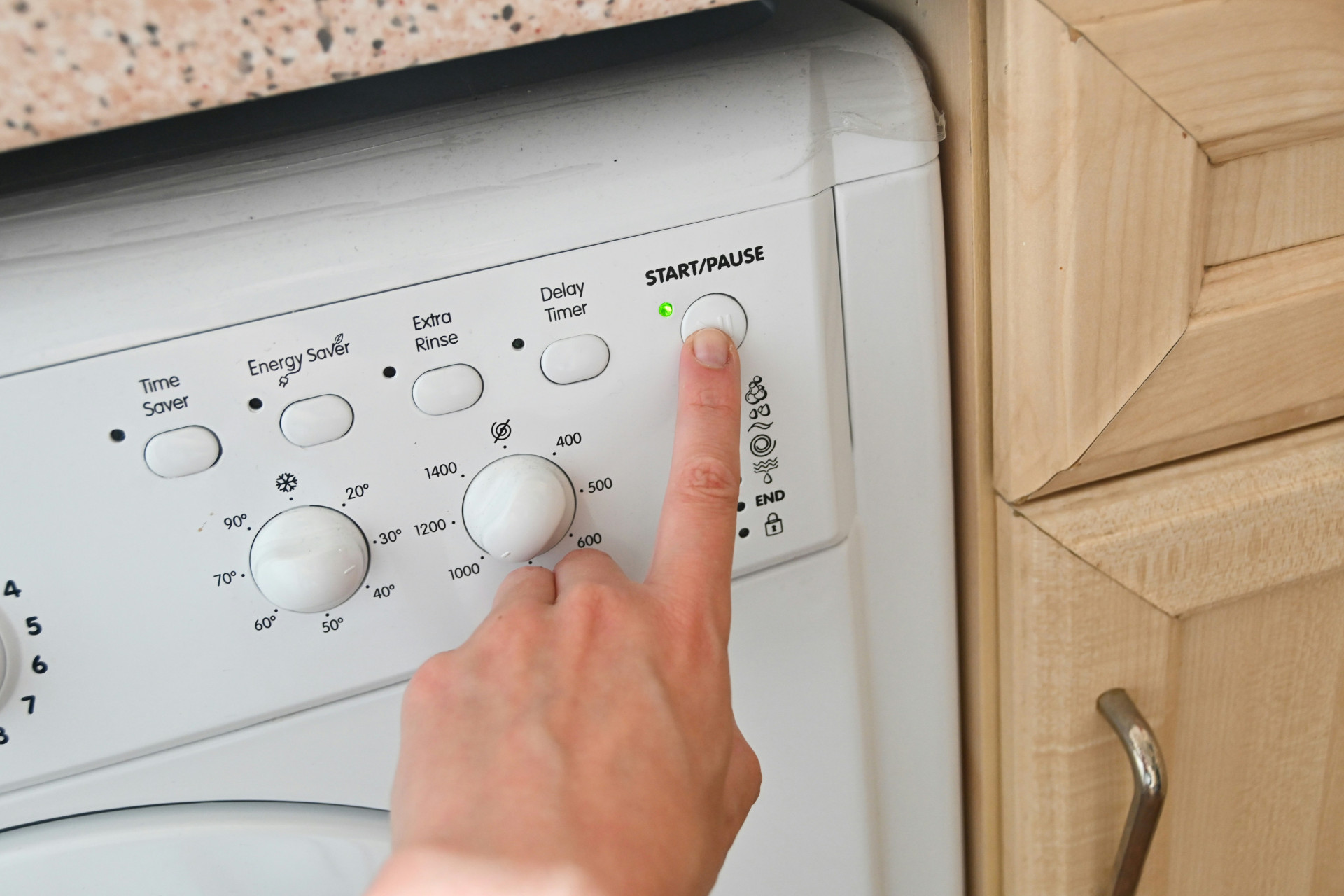
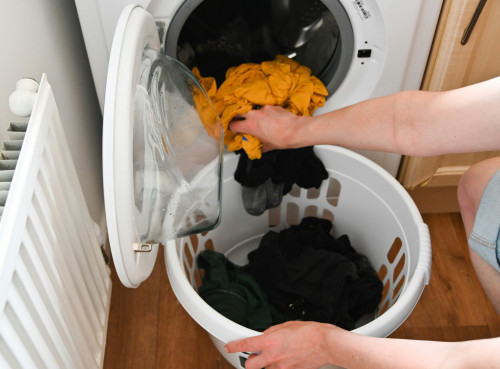
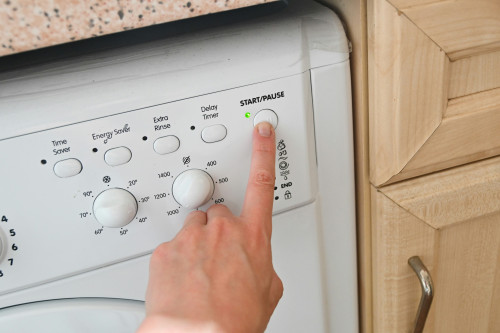
The washing machine is probably the appliance where most special settings go unnoticed. Many people stick to “cotton” or “synthetic”, but there are often programmes designed for specific needs.
- Wool or hand wash – Uses low temperatures and gentle drum movements, ideal for delicate fabrics that would otherwise need hand washing.
- Sportswear or outdoor gear – Maintains waterproofing and breathability in performance clothing. Use with a specialist detergent.
- Allergy or hygiene – Washes at higher temperatures with extra rinses to remove detergent residue and allergens.
- Steam refresh – Freshens up clothes without a full wash, reducing odours and creases. Perfect for shirts or lightly worn items.
- Quick wash – A short cycle for lightly soiled laundry. It saves water and energy but shouldn’t replace a full wash every time.
Choosing the right programme can help your clothes last longer and reduce energy use. Also, try lowering the spin speed – it’s gentler on fabrics and can prevent wear.
The Dishwasher: Beyond “Eco” and “Intensive”
Dishwashers have come a long way in recent years. In addition to the standard cycles, many models now include special settings that can make daily life easier.
- Glassware programme – Washes at lower temperatures and with gentler water pressure to protect delicate glasses from damage or clouding.
- Auto or sensor wash – Detects how dirty the water is and adjusts time and temperature automatically, saving both water and electricity.
- Quick wash – Ideal for lightly soiled dishes when you need a fast turnaround.
- Half load – Reduces water and energy use when the machine isn’t full.
- Extra dry – Improves drying results, especially for plastic items, though it uses a bit more energy.
A good tip is to use the “eco” programme whenever you can – it takes longer but uses significantly less energy. The quick wash, on the other hand, is a lifesaver when you’re entertaining or in a hurry.
Læs også:
The Oven: Precision and Energy Savings
Ovens also offer more than just fan or conventional heat. Special settings can improve your cooking results and help you use energy more efficiently.
- Pizza or bread mode – Combines high heat and bottom heating for a crisp base and airy texture.
- Defrost – Circulates air at a low temperature to thaw food evenly without starting to cook it.
- Steam cooking – Keeps food moist, ensuring meat stays tender and vegetables retain their colour and nutrients.
- Slow cook – Perfect for roasts or stews, using low heat for a tender, flavourful result.
- Pyrolytic cleaning – Burns off food residue at very high temperatures, so you can simply wipe away the ash afterwards.
Using the right programme can improve your cooking and reduce unnecessary energy use. Many ovens also have preheat or rapid heat-up functions that save time if you plan your meals ahead.
The Tumble Dryer: Gentle Drying and Less Creasing
Tumble dryers are known for their energy use, but newer models include settings that protect fabrics and reduce consumption.
- Delicate or gentle dry – Uses lower temperatures and slower drum movements for sensitive fabrics.
- Iron dry – Leaves clothes slightly damp, making them easier to iron.
- Wool or silk – Works with a drying bag to prevent items from losing their shape.
- Freshen up or air cycle – Removes odours from clothes that don’t need washing.
- Sensor drying – Automatically stops when clothes are dry, saving energy and preventing over-drying.
Remember to clean the lint filter regularly and empty the water container if your dryer has one – it improves efficiency and extends the machine’s lifespan.
Get to Know Your Appliances
Many people skip the user manual, but it’s actually full of useful information. It tells you which programmes suit your needs best and how to combine them with the right settings. It’s also worth checking the manufacturer’s app or website – many modern appliances can be connected to your smartphone, giving you access to extra features and energy reports.
Small Changes, Big Difference
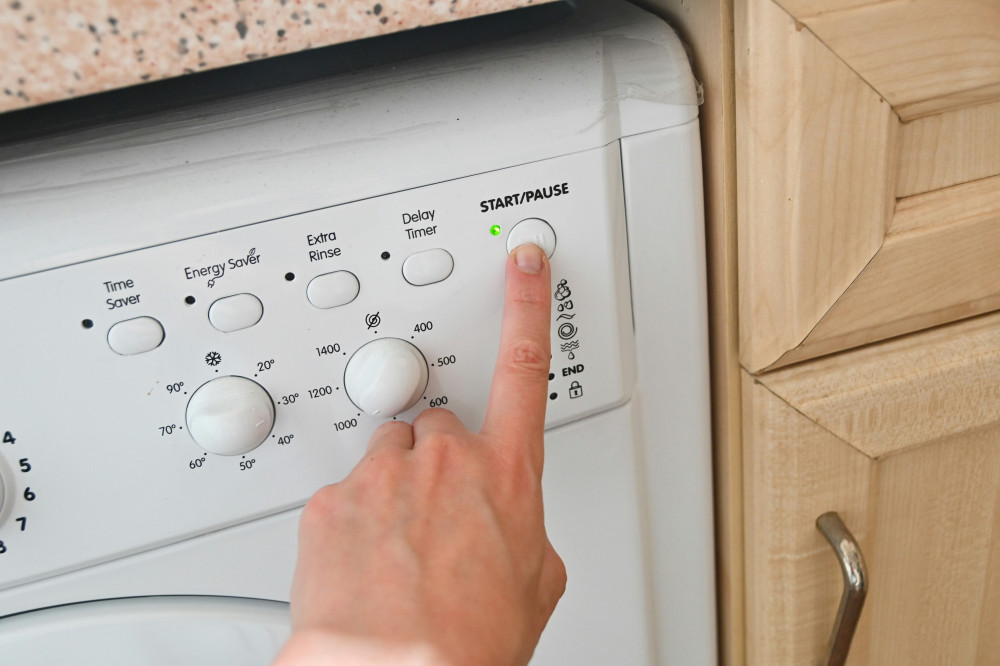
Using special settings isn’t about making life more complicated – it’s about getting the most out of the technology you already have. You can save electricity, water and time while achieving better results. Next time you’re about to press “start”, try a programme you’ve never used before. You might discover your appliances can do far more than you thought.
Læs også: