Protect Your Furniture During the Move – Use Blankets and Wrap

Protect Your Furniture During the Move – Use Blankets and Wrap
Moving house can be both exciting and stressful. Between packing boxes, organising transport, and cleaning, it’s easy to overlook how vulnerable your furniture can be during the process. Scratches, dents, and scuffs can happen in seconds if your belongings aren’t properly protected. Fortunately, a few simple materials – such as moving blankets and wrap – can make all the difference. Here’s how to keep your furniture safe and sound during your move.
Why Protection Matters
When furniture is moved, it’s exposed to knocks, friction, and moisture. A dining table that’s perfectly safe in your kitchen can easily get scratched when it rubs against another item in the moving van. Upholstered furniture can pick up stains or tears, and wooden pieces can suffer dents if they’re not wrapped correctly.
By using blankets and wrap, you create a protective barrier that reduces the risk of damage. It’s a small investment of time and materials that can save you the cost and frustration of repairs later on.
Moving Blankets – The Classic Solution
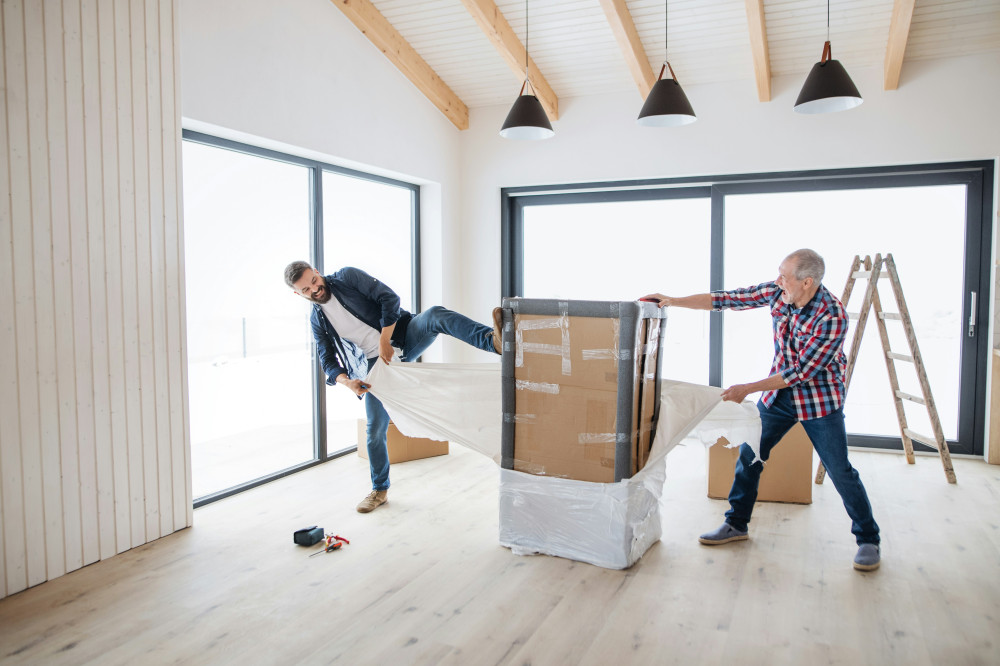
Moving blankets are one of the most effective and versatile tools for protecting furniture. They’re thick, durable, and suitable for almost any item – from chairs and tables to mirrors and electronics.
- Benefits: They absorb shocks, prevent scratches, and can be reused many times.
- How to use them: Drape the blanket over the furniture and secure it with tape or string so it doesn’t slip during transport.
- Tip: Use multiple layers for particularly delicate items such as glass tops or antiques.
If you don’t own moving blankets, you can often hire or buy them from removal companies or DIY stores across the UK.
Stretch Wrap and Bubble Wrap – Extra Security
While blankets protect against impact, wrap provides a tight, flexible covering that keeps out dust and moisture. Stretch wrap (also known as pallet wrap or moving film) is ideal for keeping drawers and doors closed, while bubble wrap offers cushioning for fragile surfaces.
- Stretch wrap: Use it to hold blankets in place and prevent loose parts from moving.
- Bubble wrap: Perfect for glass, mirrors, lamps, and other delicate items. For best results, make sure the bubbles face inward towards the surface.
- Combination method: Wrap the furniture in a blanket first, then secure it with stretch wrap – this gives you both padding and stability.
Protect Floors and Walls Too
It’s not just your furniture that can get damaged during a move. Floors and walls can also suffer if you’re not careful. Lay down blankets, cardboard, or protective sheets on floors where you’ll be carrying heavy items, and use corner protectors on door frames and walls in tight spaces.
A handy trick is to use furniture sliders or felt pads under heavy pieces when moving them across floors – this reduces the risk of scratches and makes the job easier.
Læs også:


Plan and Pack Systematically
A successful move is as much about planning as it is about strength. Start by packing the furniture you use least, and make sure you have all the right materials ready: blankets, wrap, tape, scissors, and gloves.
- Pack one item at a time to stay organised.
- Label furniture or parts with tape or stickers so you know where everything belongs in your new home.
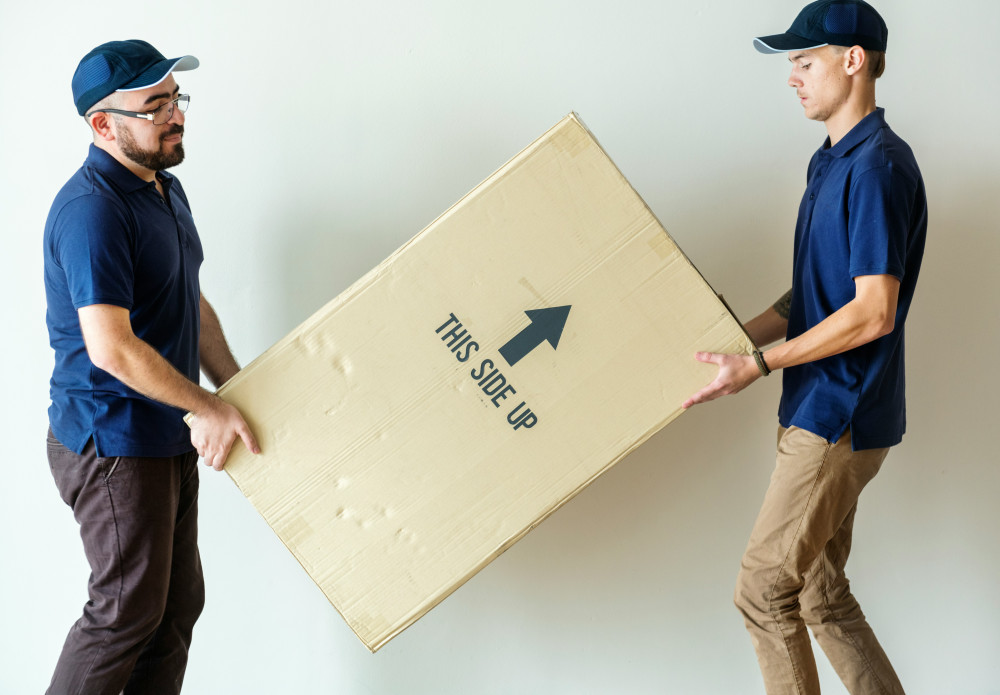
- Load heavier items at the bottom of the van and lighter ones on top.
The more methodical you are, the less likely you are to run into problems on moving day.
Unpacking with Care
Once you’ve arrived at your new home, it’s tempting to tear off all the wrapping straight away. But take your time – especially if you’ve used tape or stretch wrap. Cut carefully with a craft knife or scissors to avoid damaging the surface underneath.
Keep your blankets and wrap for future use. They can come in handy again for storage, DIY projects, or your next move.
A Small Effort with a Big Payoff
Protecting your furniture during a move doesn’t take much effort, but it makes a huge difference. With a few moving blankets, some wrap, and a bit of care, you can ensure your belongings arrive in the same condition they left your old home. It’s a simple step that brings peace of mind and helps your move go smoothly from start to finish.
Læs også: