Temporary stay? How to best look after your pet’s wellbeing


Temporary stay? How to best look after your pet’s wellbeing
Whether you’re going on holiday, moving temporarily, or facing a situation where your pet can’t be with you for a while, one question quickly arises: how can you make sure your pet stays happy and healthy while you’re away? Whether you have a dog, cat, rabbit or another companion animal, a temporary stay requires planning, reassurance and care. Here’s a guide to keeping your pet’s wellbeing front and centre when everyday life changes for a bit.
Know your pet’s needs
Before deciding where your pet will stay, it’s important to consider their personality and habits. Some animals adapt easily to new surroundings, while others find change stressful.
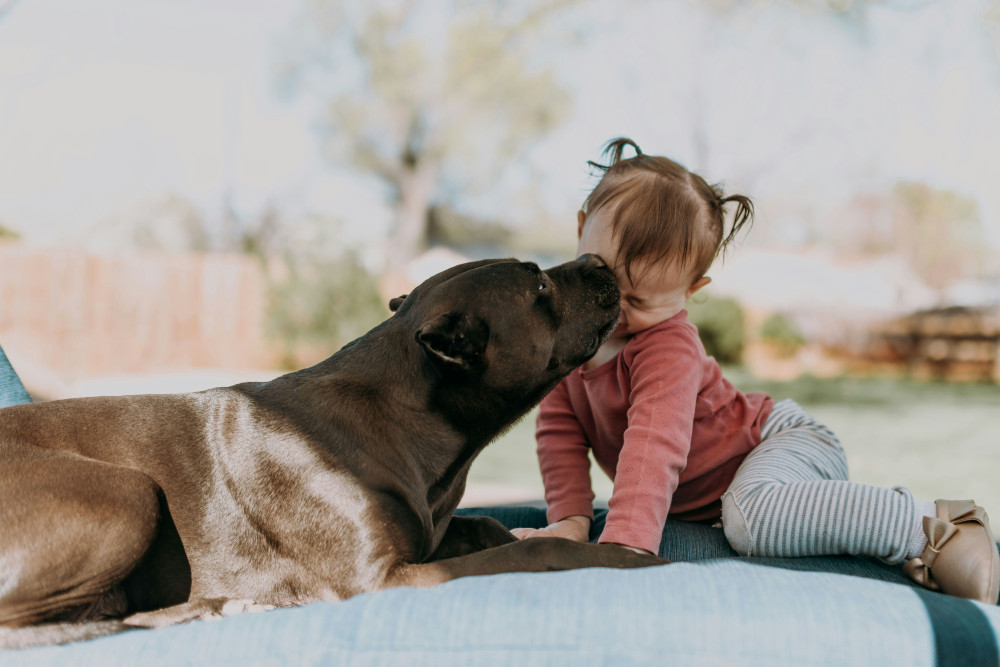
- Dogs usually need human contact and routine. They often do best with someone they know or at a reputable boarding kennel that offers daily exercise and social interaction.
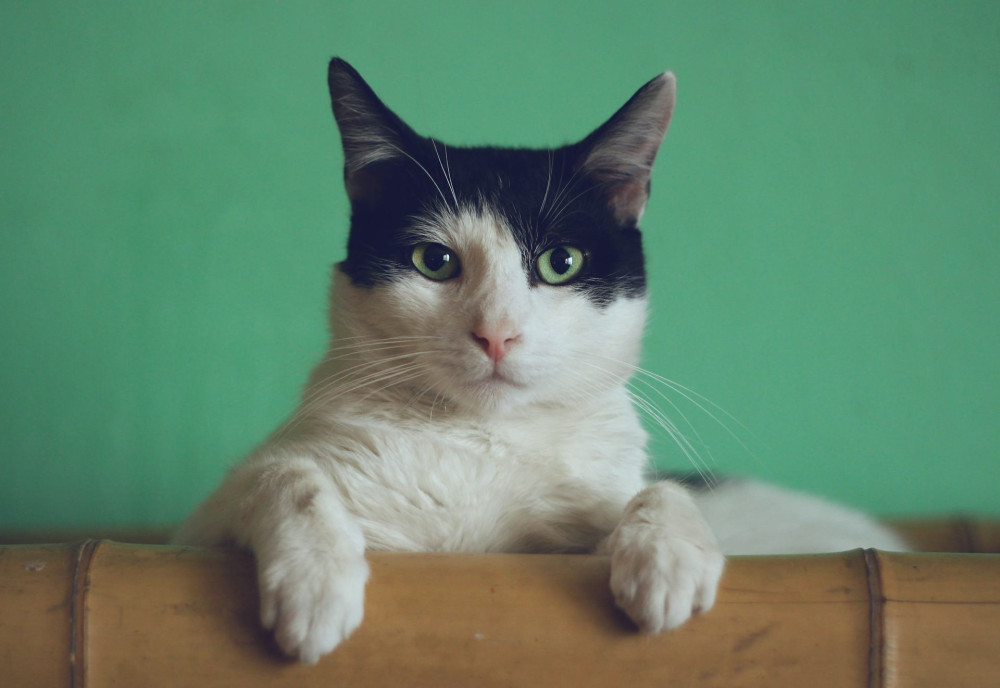
- Cats are territorial and generally prefer to stay in familiar surroundings. A cat sitter who visits your home is often the least stressful option.
- Small pets such as rabbits, guinea pigs and birds are sensitive to environmental changes. If they must be cared for elsewhere, make sure they have their usual food, bedding and a quiet space.
Understanding your pet’s temperament is key to choosing the option that causes the least stress and provides the most comfort.
Choose the right care arrangement
There are several ways to arrange temporary care – each with its own pros and cons.
- Family and friends: Often the most reassuring choice, especially if your pet already knows them. Provide clear written instructions about feeding, walks, medication and routines.
- Boarding facilities: Professional kennels and catteries are regulated in the UK and must be licensed by the local council. Visit beforehand to check cleanliness, staff experience and how the animals are treated.
- Home sitting: A pet sitter who stays in your home can be ideal for animals that dislike change. It keeps their environment and routines consistent.
- Pet-sitting exchanges: Some owners agree to look after each other’s pets. This can be a cost-effective solution if trust and communication are strong.
Whichever option you choose, make sure the carer has all essential information – from feeding schedules to your vet’s contact details and any insurance documents.
Prepare your pet for the stay
A smooth transition starts with preparation. Begin early and take small steps.
- Introduce your pet to the carer several times before you leave. Familiarity helps reduce anxiety.
- Pack familiar items such as blankets, toys or bowls if your pet will stay elsewhere. Familiar scents are comforting.
- Stick to routines as much as possible – feeding, walks and playtime at the usual times.
- Share special habits or triggers – for example, if your dog is nervous around fireworks or your cat only drinks from a running tap.
The more predictable life feels, the easier your pet will handle the change.
Stay in touch
Even when you’re away, you can still keep an eye on how your pet is doing. Agree with the carer to send updates – photos, short messages or quick calls. It offers peace of mind for both of you.
If you’ll be away for an extended period, consider scheduling a video call or short visit to see how your pet is settling in. It can also help the carer adjust routines if something isn’t working perfectly.
Coming home again
When you’re reunited, your pet may react in different ways. Some will be overjoyed, others a bit confused or tired. Give them time to settle back into their normal rhythm.
- Keep the first few days calm and predictable.
- Offer extra affection and play, but don’t overwhelm them.
- If you notice changes in behaviour – such as loss of appetite or restlessness – contact your vet to rule out stress or illness.
A temporary stay can be a challenge, but it can also strengthen your pet’s confidence and trust when handled with care and planning.
Læs også:




Comfort creates wellbeing
The most important thing you can give your pet is a sense of security – wherever they are. With thoughtful preparation, clear communication and respect for their needs, you can ensure they stay content and healthy while you’re away. That way, both you and your pet can look forward to a happy reunion with peace of mind.
Læs også: