Water Damage at Home – What Should Be Fixed First?


Water Damage at Home – What Should Be Fixed First?
Water damage can happen suddenly – after heavy rain, a burst pipe, or a leaking roof – and the consequences can be serious if you don’t act quickly. Water seeps into even the smallest cracks, spreading to walls, floors, and electrical systems. But where should you start when disaster strikes? Here’s a guide to what should be fixed first and how to limit the damage effectively.
Stop the Water and Identify the Source
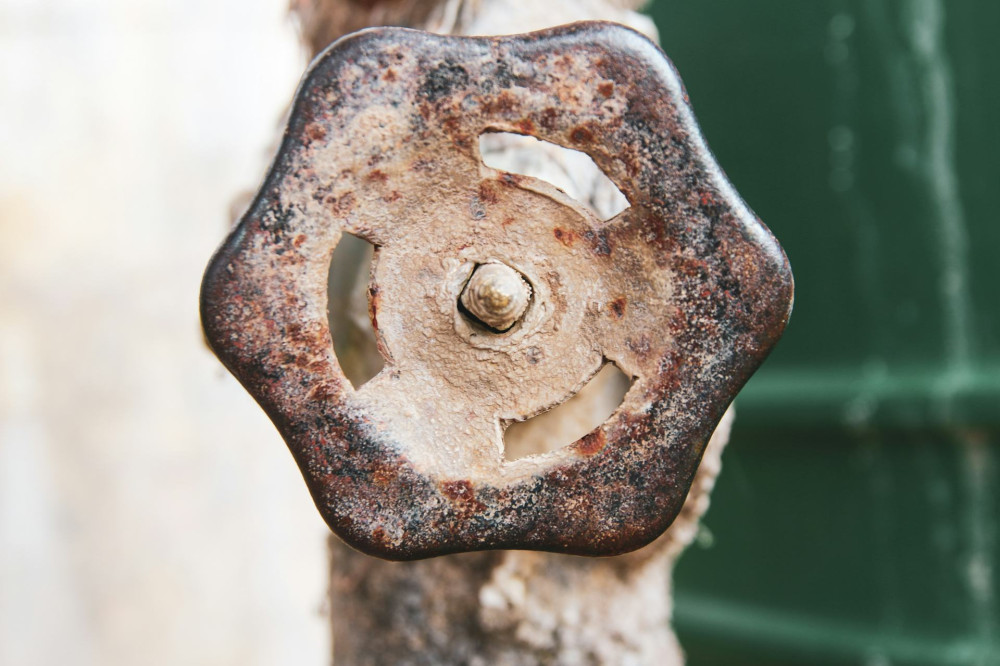
The first step is always to stop the water. Turn off the main stopcock if a pipe has burst, or cover the affected area temporarily if the water is coming from outside. The faster you stop the flow, the less extensive the damage will be.
Next, find the cause. Is it a burst pipe, a leaking roof, a faulty appliance, or groundwater seeping in? The cause determines how to proceed with repairs – and who to contact, such as your home insurance provider, a plumber, or a roofing specialist.
Remove Standing Water and Start Drying
Once the water source is under control, remove as much water as possible. Use a wet/dry vacuum, towels, or mops, and ensure good ventilation. If there’s a large amount of water, you may need to call a professional restoration company with pumps and moisture detection equipment.
Then, dry the area thoroughly. This can take days or even weeks, depending on the extent of the damage. Use dehumidifiers and keep windows open when possible. It’s crucial that materials are completely dry before you start repairs – otherwise, you risk mould growth and further deterioration.
Læs også:

Prioritise the Most Vulnerable Materials
Some materials are more sensitive to water than others. Wooden floors, plasterboard walls, and insulation are particularly vulnerable because they absorb moisture and can lose their structural integrity or develop mould. These should be addressed first.
- Floors: Remove carpets and underlay to allow moisture to escape. If wooden flooring has started to warp, it may need replacing.
- Walls: Plasterboard that has been soaked should be replaced. Moisture can travel upwards, so check damp levels before repainting or redecorating.
- Insulation: Wet insulation loses its effectiveness and must be replaced to prevent mould and heat loss.
Check Electrical Systems and Appliances
Water and electricity are a dangerous mix. If there’s any chance that water has reached sockets, fuse boxes, or electrical wiring, turn off the power at the mains and call a qualified electrician. The same applies to boilers, heat pumps, or ventilation systems that may have been exposed to moisture – do not switch them on until they’ve been inspected.
Look for Hidden Damage
Even when surfaces appear dry, moisture can remain trapped within walls or floors. Use a moisture meter or ask a professional to carry out a damp survey. Hidden damp can lead to mould, which is both a health hazard and expensive to remove. It’s better to be thorough now than to face another repair later.
Contact Your Insurance Company Early
Most UK home insurance policies cover water damage, but the level of cover depends on the cause. Take photos of the damage and contact your insurer as soon as possible. They can advise on the next steps and whether a loss adjuster will visit. Many insurers work with approved restoration companies who can help with both repairs and documentation.
Prevent Future Water Damage
Once repairs are complete, take steps to prevent future problems. Regularly check gutters and downpipes, ensure seals around windows and doors are watertight, and have your plumbing inspected if your property is older. Installing a leak detector near washing machines or in basements can also provide early warnings and save you from costly repairs.
Quick Action Saves Money and Stress
Water damage can feel overwhelming, but a quick and organised response makes all the difference. Stop the water, remove the moisture, and focus first on the most vulnerable materials. The sooner you act, the less damage you’ll face – and the faster your home will be back to normal.
Læs også: