Battery Storage and Solar Panels: An Effective Duo for the Home

Battery Storage and Solar Panels: An Effective Duo for the Home
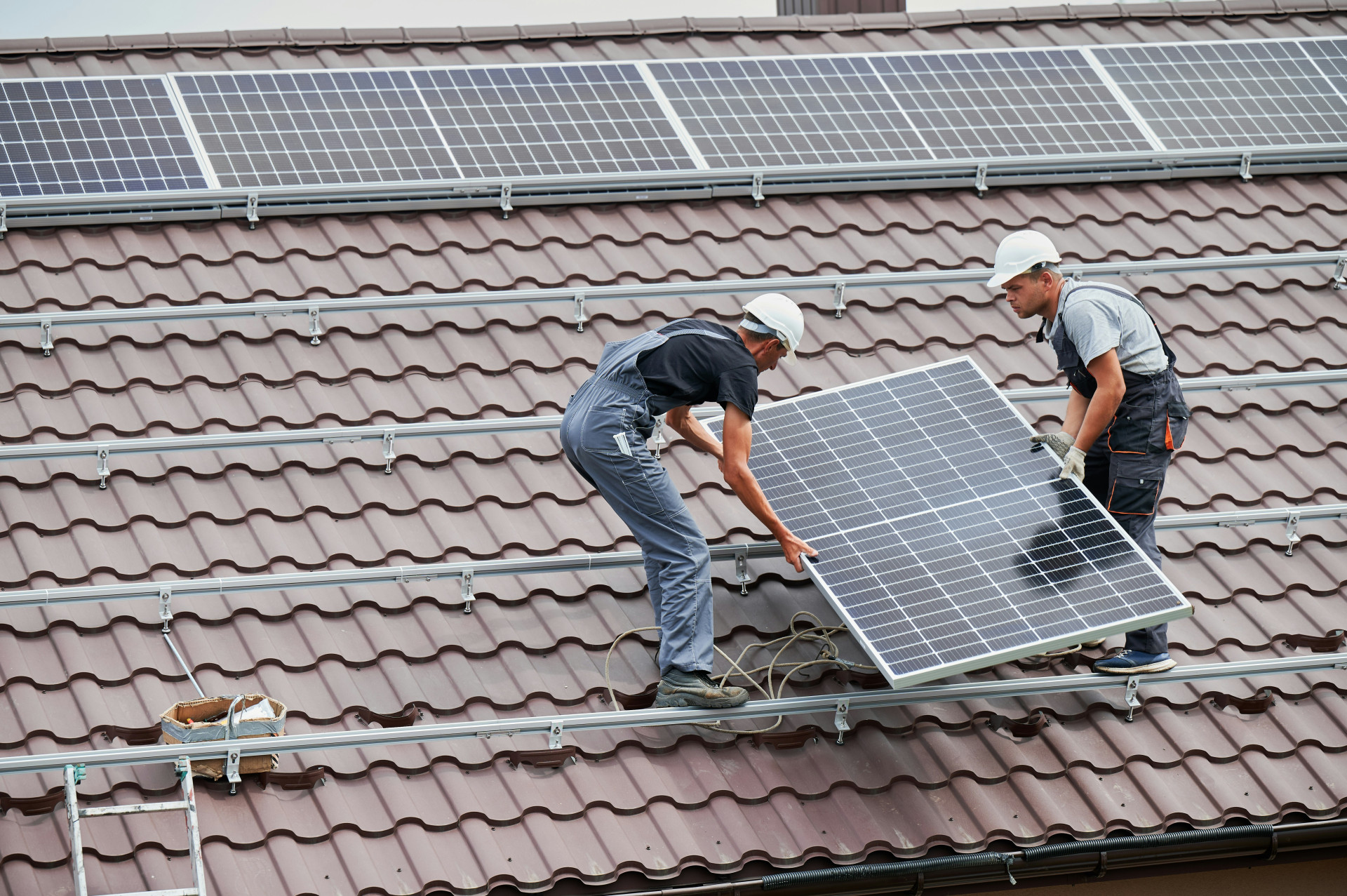
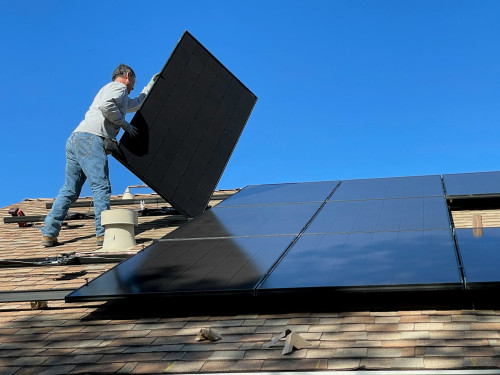
Solar panels have become a familiar sight on rooftops across the UK. They generate clean electricity, reduce household bills, and contribute to the country’s transition towards renewable energy. Yet, without a battery, much of the energy produced during the day goes unused, as it’s generated when most people are out of the house. By adding a battery storage system, you can store that excess power for later use – making your solar panels far more efficient. Here’s why solar panels and battery storage make such a powerful combination for British homes.
Why Combine Solar Panels and a Battery?
Solar panels produce the most electricity in the middle of the day, when household demand is typically at its lowest. Without a battery, any surplus energy is exported to the grid, and you receive only a modest payment through the Smart Export Guarantee (SEG). With a battery, however, you can store that energy and use it in the evening, when your consumption is higher and grid electricity is more expensive.
This means you can increase your self-consumption rate – the proportion of your solar energy that you use yourself – from around 30–40% to as much as 70–80%. The result is greater savings, more independence from fluctuating energy prices, and a smaller carbon footprint.
How a Battery Storage System Works
A home battery system stores the electricity generated by your solar panels. It’s managed by an inverter, which ensures the power can be used safely within your home’s electrical system. When your panels produce more energy than you need, the battery charges automatically. When the sun goes down, the stored energy is released to power your home.
Most modern systems use lithium-ion batteries, known for their high efficiency, long lifespan, and low maintenance. Typical capacities for UK homes range from 5 to 15 kWh, depending on household size, energy use, and the size of the solar array.
Costs and Payback Time
Installing a battery is an investment, but prices have dropped significantly in recent years. At the same time, electricity prices have become more volatile, making it increasingly valuable to control when and how you use your energy.
The payback period depends on several factors: system size, electricity tariffs, household consumption patterns, and whether you receive SEG payments. For many UK households, the payback time is currently around 8–12 years. However, the benefits go beyond financial savings – they also include greater comfort, energy security, and environmental responsibility.
Independence and Flexibility
A battery gives you more control over your energy supply. You become less reliant on the grid and can, in some cases, keep essential appliances running during short power cuts.
Many systems can also be connected to smart energy management platforms, which automatically decide when to store, use, or export electricity based on real-time prices. This allows you to take advantage of time-of-use tariffs and potentially earn extra income from your solar generation.
Læs også:
Environmental Benefits
By storing and using your own solar energy, you reduce the need for electricity from fossil fuel sources. This lowers your household’s CO₂ emissions and supports a more sustainable energy system. It also helps to ease pressure on the national grid, especially during peak demand periods.
While battery production does require resources, the technology is becoming increasingly eco-friendly. Manufacturers are improving recycling processes and extending battery lifespans, which enhances the overall environmental balance.
What to Consider Before Investing
Before installing a battery storage system, it’s worth thinking through a few practical and financial factors:
- Energy usage pattern: Do you use most of your electricity in the evening? A battery is most beneficial if your consumption is high when the sun isn’t shining.
- System size: The battery should be matched to both your solar array and your energy needs. Too small, and it won’t store enough; too large, and it may not be cost-effective.
- Installation location: Batteries need a dry, frost-free space – often a utility room, garage, or dedicated cupboard.
- Future plans: If you’re considering an electric vehicle or heat pump in the future, factor that into your battery sizing.
A certified installer can help you design the right system and estimate your potential savings.
A Step Towards a Greener, More Self-Sufficient Home
Combining solar panels with battery storage is one of the most effective ways to make your home more sustainable and energy independent. You’ll enjoy lower electricity bills, greater control over your energy use, and the satisfaction of contributing to a cleaner future.
With technology advancing rapidly and costs continuing to fall, now is an excellent time to consider whether solar panels and a home battery could be your next smart energy investment.
Læs også: