Get Your Garage Ready for Winter and Prevent Frost Damage


Get Your Garage Ready for Winter and Prevent Frost Damage
As the temperature drops and frost begins to settle in, the garage is often overlooked in winter preparations. Yet, an unheated or poorly insulated garage can quickly suffer from frost damage – not only to the building itself but also to your car and any equipment stored inside. With a bit of planning, you can avoid costly repairs and keep your garage functional throughout the cold months. Here’s a practical guide to getting your garage ready for winter in the UK.
Start with a Thorough Clear-Out
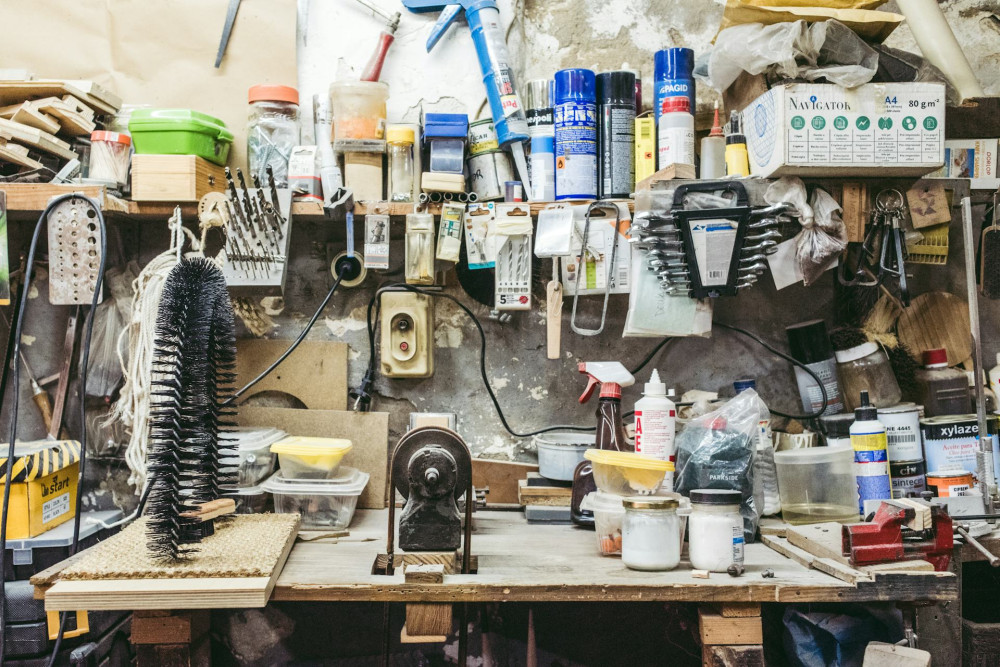
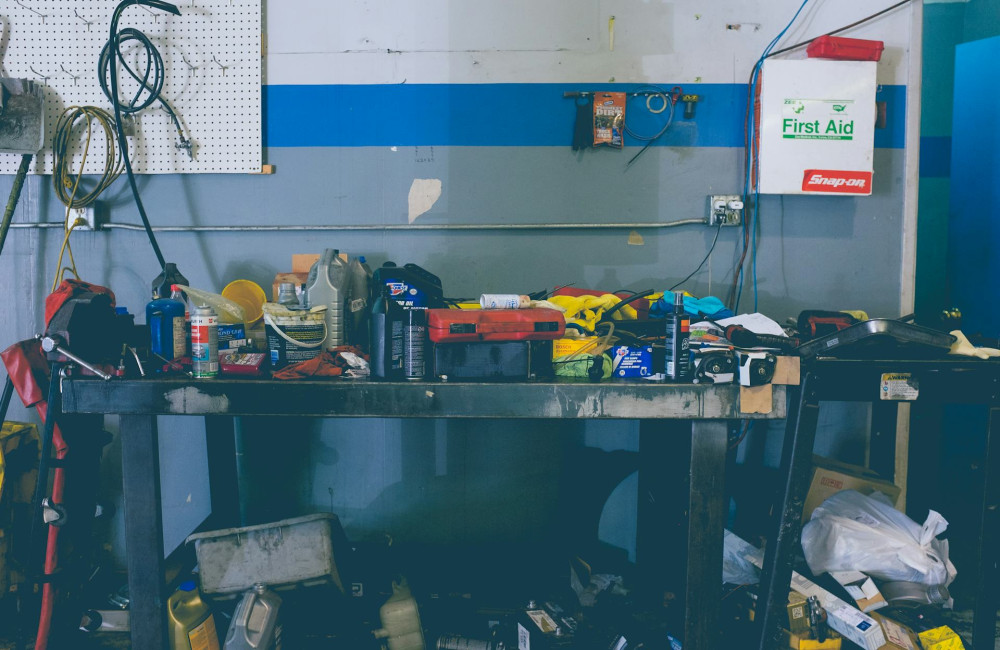
Before tackling insulation or repairs, start by decluttering. Remove old paint tins, chemicals, and liquids that can’t withstand freezing temperatures. Many products – such as paint, adhesives, and cleaning fluids – lose their effectiveness once frozen.
A good clear-out also helps you spot any signs of damp, mould, or damage. Sweep the floor, clear cobwebs, and check for leaks or cracks that might let in cold air or moisture.
Check the Insulation
Proper insulation is one of the most effective ways to protect your garage from frost. Many British garages were built as simple storage spaces and lack insulation, but even basic improvements can make a big difference.
- Walls and ceiling: Fit insulation boards or mineral wool, and cover with a vapour barrier to prevent condensation.
- Garage door: This is often the biggest source of heat loss. Consider adding insulation panels to the inside or upgrading to an insulated door.
- Windows and side doors: Check seals and weatherstripping, and replace them if they’re worn. Even small gaps can let in draughts.
If you use your garage as a workshop, it may be worth investing in a small electric heater or portable heat pump to keep the temperature above freezing.
Læs også:


Protect Pipes and Drains from Freezing
If your garage has a water supply – for example, to an outdoor tap or utility sink – make sure the pipes are protected. Frozen water expands and can burst pipes, leading to leaks and expensive repairs.
- Turn off the water supply to the garage if possible, and drain the pipes completely.
- Insulate exposed pipes with foam sleeves or heat tape.
- Keep drains clear so that melting snow and rainwater can flow away freely.
If your garage isn’t heated, you can pour a small amount of antifreeze into floor drains to stop the water trap from freezing.
Look After Your Car and Equipment
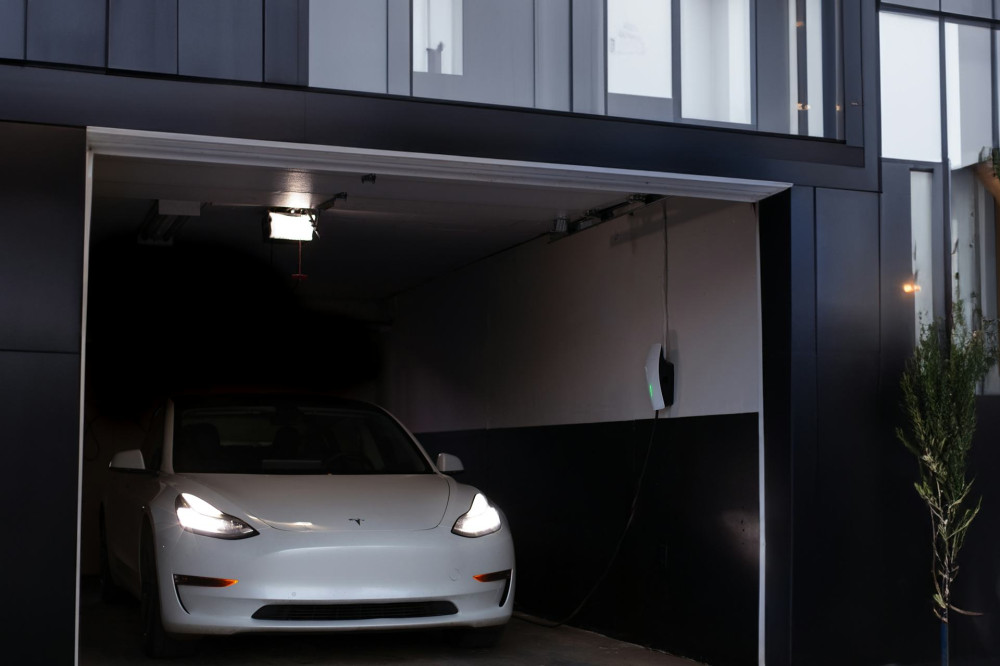
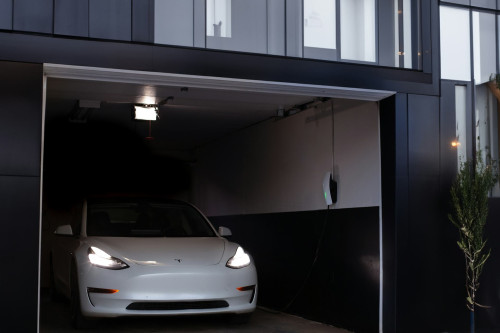
Even though cars are built to handle cold weather, they’ll last longer if kept dry and frost-free. Check that your garage roof and walls are watertight so rain or snow can’t seep in. If you own an electric vehicle, make sure the charging cable and socket are protected from moisture.
Move any items that can’t tolerate frost – such as paint, garden chemicals, or battery-powered tools – to a warmer place. Batteries lose capacity in cold conditions, and liquids can separate or freeze.
Keep the Air Flowing
While you want to keep the cold out, good ventilation is still essential. Without it, moisture can build up, especially when you park a wet car inside. This can lead to rust, mould, and unpleasant odours.
Install a vent or a small extractor fan that runs for a few hours a day. It helps reduce humidity and prevents condensation on walls and ceilings.
Check Lighting and Electrics
With shorter days and longer nights, good lighting in the garage becomes even more important. Replace old bulbs with energy-efficient LEDs, which perform better in cold conditions. Inspect sockets, cables, and extension leads for wear or damage – damp and frost can cause electrical faults if fittings are old or corroded.
If you use heaters, chargers, or power tools in the garage, make sure they’re properly connected and don’t overload the circuit.
A Small Effort That Pays Off
Preparing your garage for winter doesn’t require major expense, but it can save you a lot of trouble. A dry, insulated, and well-maintained garage protects your car, tools, and the building itself – and makes life easier when the frost sets in.
So take a weekend this autumn to give your garage some attention. It’s one of the simplest ways to ensure winter doesn’t bring any unwelcome surprises.
Læs også: