Combine Brick Types for a Unique and Personal Look

Combine Brick Types for a Unique and Personal Look
Brick is one of the most traditional building materials in Britain – and at the same time one of the most versatile. Today, brickwork is not just about strength and durability, but also about character and personal style. By combining different types, colours and finishes, you can create a home that stands out and reflects your own taste. Here’s how to use bricks creatively and consciously in your building or renovation project.
The Many Faces of Brick
Bricks come in a wide range of varieties – from the classic red and buff tones seen across the UK to contemporary greys, creams and even charcoal shades. The surface can be smooth, textured, handmade or wirecut, and each type gives its own distinctive look.
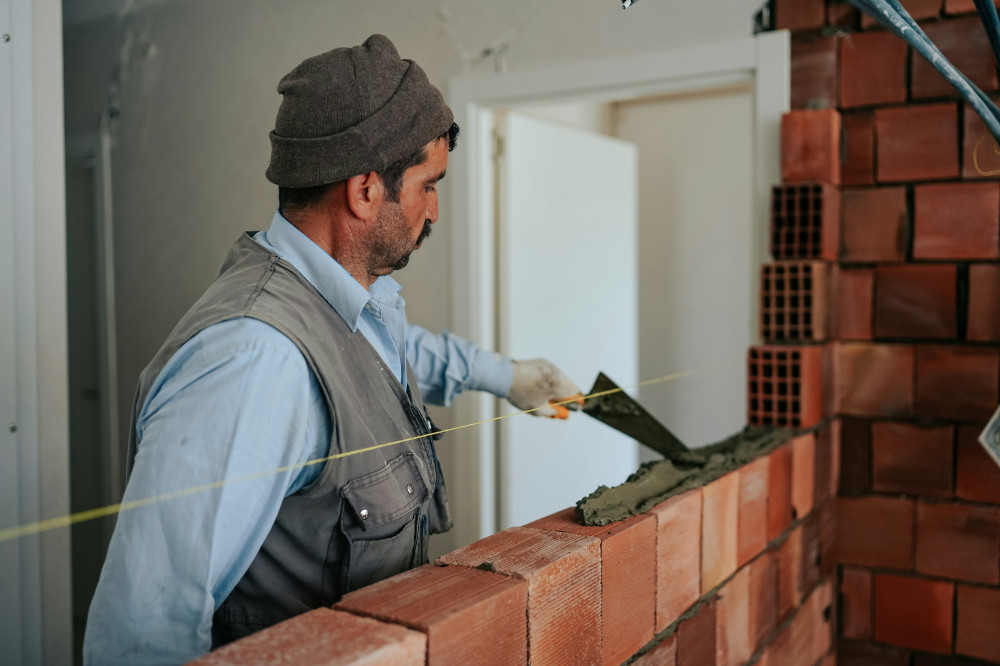
- Handmade bricks have a rustic, irregular appearance with subtle variations in colour and texture. They suit period properties or new builds with a traditional feel.
- Wirecut bricks offer a more uniform and modern look, ideal for clean-lined, minimalist architecture.
- Glazed or engobed bricks have a treated surface that adds depth of colour and extra protection against dirt and weather.
By mixing different types, you can create contrast and visual interest in your façade – without compromising on quality or durability.
Colour Combinations and Contrasts
The colour of your brickwork has a huge impact on how your home is perceived. A single-colour façade can feel calm and cohesive, while a mix of tones adds life and individuality.
A popular approach is to combine warm and cool shades – for example, reddish bricks with pale grey mortar – or to use darker bricks as accents around windows, doors or corners. You might also highlight one section of the building with a different brick type to create an architectural focal point.
When choosing colours, always view the bricks in natural daylight and in the context of your surroundings. The same brick can look very different depending on the light and the materials nearby.
Play with Patterns and Bonds
The pattern of the brickwork – known as the bond – has a major influence on the overall impression. The most common are stretcher bond, English bond and Flemish bond, but there are many variations to explore.
By alternating bonds or allowing certain bricks to project slightly, you can create shadows and texture across the surface. This adds craftsmanship and personality, a feature increasingly used in contemporary British architecture.
Another effective technique is to combine brick with other materials such as timber, zinc or stone. The contrast between warm, natural textures and sleek, industrial finishes can give your home a distinctive and balanced look.
Mortar – the Overlooked Detail
Mortar makes up as much as 20 per cent of a brick wall’s surface, so its colour and finish matter more than you might think. A light mortar can highlight the brick pattern, while a darker one creates a more unified and subtle appearance.
There are several joint profiles – such as recessed, flush or weather-struck – each affecting how light interacts with the wall. When combining different brick types, you can use the mortar to tie the design together or to emphasise the contrasts.
Læs også:
Inspiration from Old and New
Mixing brick types is a trend seen both in modern architecture and in the restoration of historic buildings. In new builds, it’s often used to break up large façades and add depth, while in older properties it can create a natural transition between original and new sections.
A particularly appealing option is to combine reclaimed bricks with new ones. This not only supports sustainability but also adds character and a sense of history. The subtle variations in patina and colour bring warmth and authenticity to the design.
Make Your Brickwork Personal
Combining brick types is about more than design – it’s about creating a home that feels truly yours. Whether you’re building from scratch, renovating, or simply refreshing your exterior, thoughtful choices of brick, colour and pattern can give your property a look that lasts for generations.
Brick is a material with soul – and when you dare to experiment with it, the result is both timeless and uniquely personal.
Læs også: