Modern Architecture Meets Traditional Sealing Methods


Modern Architecture Meets Traditional Sealing Methods
When contemporary architecture rises with its clean lines, expansive glazing and minimalist façades, it can seem far removed from the world of traditional craftsmanship. Yet across the UK, there is a growing movement to reconnect modern design with time‑honoured building techniques – particularly when it comes to brickwork and pointing. Traditional sealing and jointing methods, once reserved for heritage restoration, are proving to have both aesthetic and technical advantages that fit perfectly within today’s architectural ambitions.
Rediscovering the Craft
For decades, modern construction has been driven by efficiency and standardisation. Mortar joints were often treated as a purely functional necessity rather than a design feature. But as architects and builders increasingly value the tactile and visual qualities of materials, interest in traditional pointing methods has returned.
Techniques such as flush pointing, recessed joints and weather‑struck pointing give brickwork depth and character. They create subtle variations in shadow and texture that change with the light – a quality that complements the material honesty and sensory focus of modern architecture.
The Return of Lime Mortar
At the heart of these traditional methods lies lime mortar. While cement mortar became the norm in the post‑war years, many British architects and conservation specialists are now turning back to lime. It is more flexible, allows the wall to breathe and can be repaired without damaging the surrounding bricks.
In an era where sustainability and longevity are key, lime mortar offers clear benefits. It reduces the risk of cracking and moisture damage, contributes to a healthier indoor climate and provides a softer, more natural appearance than rigid cement joints. Its lower embodied energy also aligns with the UK’s growing emphasis on low‑carbon construction.
Where Old Meets New
The meeting of modern design and traditional technique can be seen in a number of recent British projects – from urban housing developments in London to rural conversions in Yorkshire. Architects are deliberately using brickwork as a design language, combining crisp contemporary forms with the warmth of hand‑finished materials.
Choosing a handmade brick paired with a lime‑based mortar can produce façades that feel both modern and timeless. The colour and texture of the joint play a crucial role: a pale mortar can highlight the rhythm of the brickwork, while a darker tone can create a more monolithic, sculptural effect.
Maintenance and Durability
One of the major advantages of traditional sealing methods is their ease of maintenance. Lime joints can be repaired locally without replacing entire sections of wall, and they age gracefully alongside the building. This makes them ideal for both restoration and new construction where long‑term performance and visual integrity are priorities.
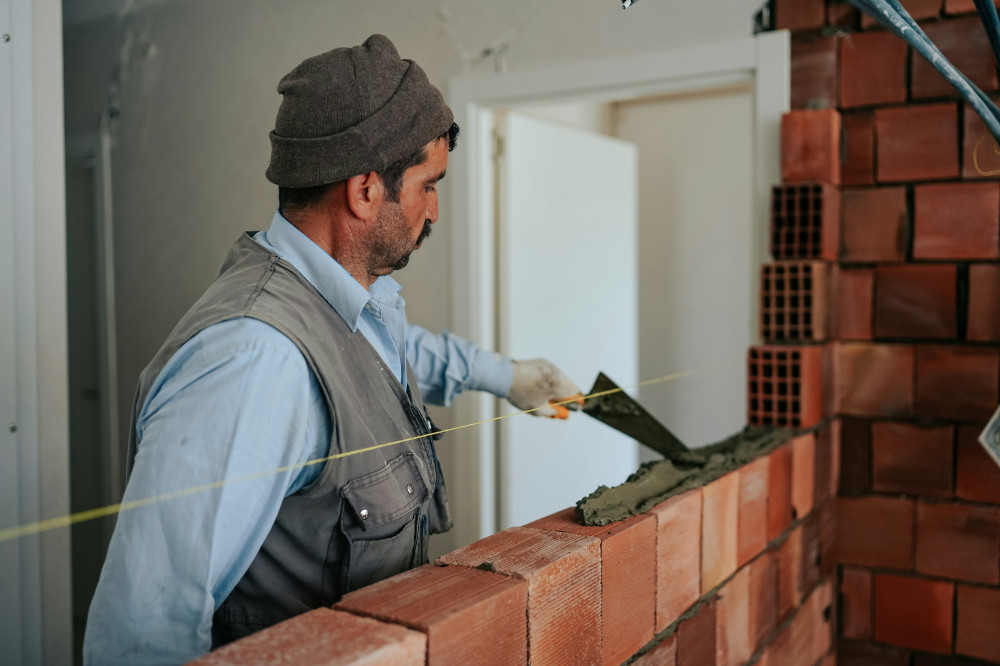
However, these methods demand skill and understanding. Working with lime mortar requires attention to weather conditions, mixing ratios and curing times. Employing craftspeople experienced in heritage techniques ensures that the quality of the finish matches the ambition of the design.
Læs også:

A Tactile Aesthetic
In a built environment often dominated by smooth, uniform surfaces, traditional jointing methods bring a human touch. The slight irregularities in joint width, the gentle texture of the mortar and the interplay between brick and light create a tactile richness that many contemporary buildings lack.
This is not about nostalgia, but about learning from the past to build better today. When modern architecture meets traditional sealing methods, a balance emerges between precision and craftsmanship – between technology and tradition.
Building the Future on the Past
The trend is clear: the future of British architecture will increasingly draw on historic techniques, not as a sentimental gesture but as a conscious strategy for creating durable, beautiful and sustainable buildings. The joints between the bricks are no longer just gaps – they are part of the story the architecture tells.
Læs også: