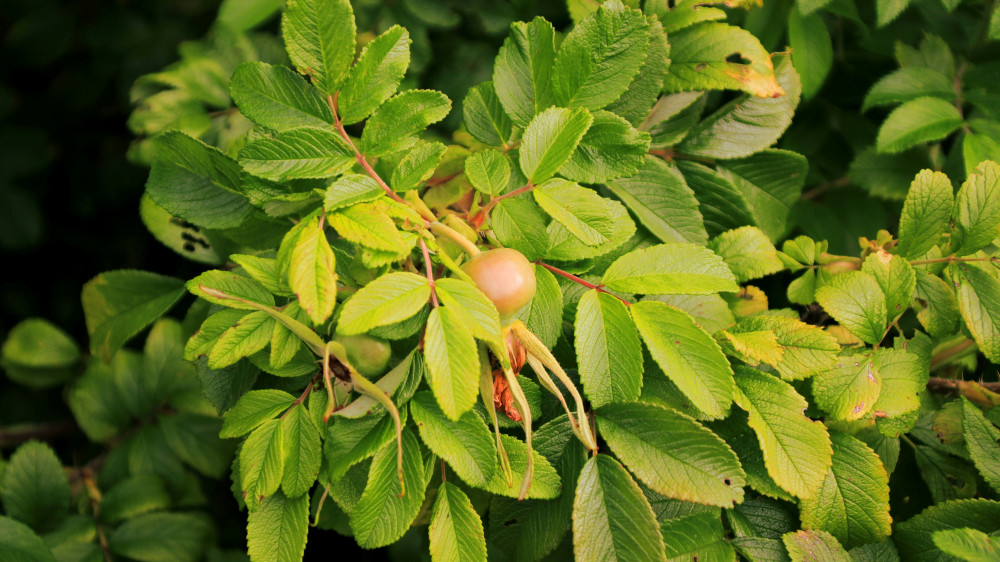
Fruit bushes explained: a beginner’s guide


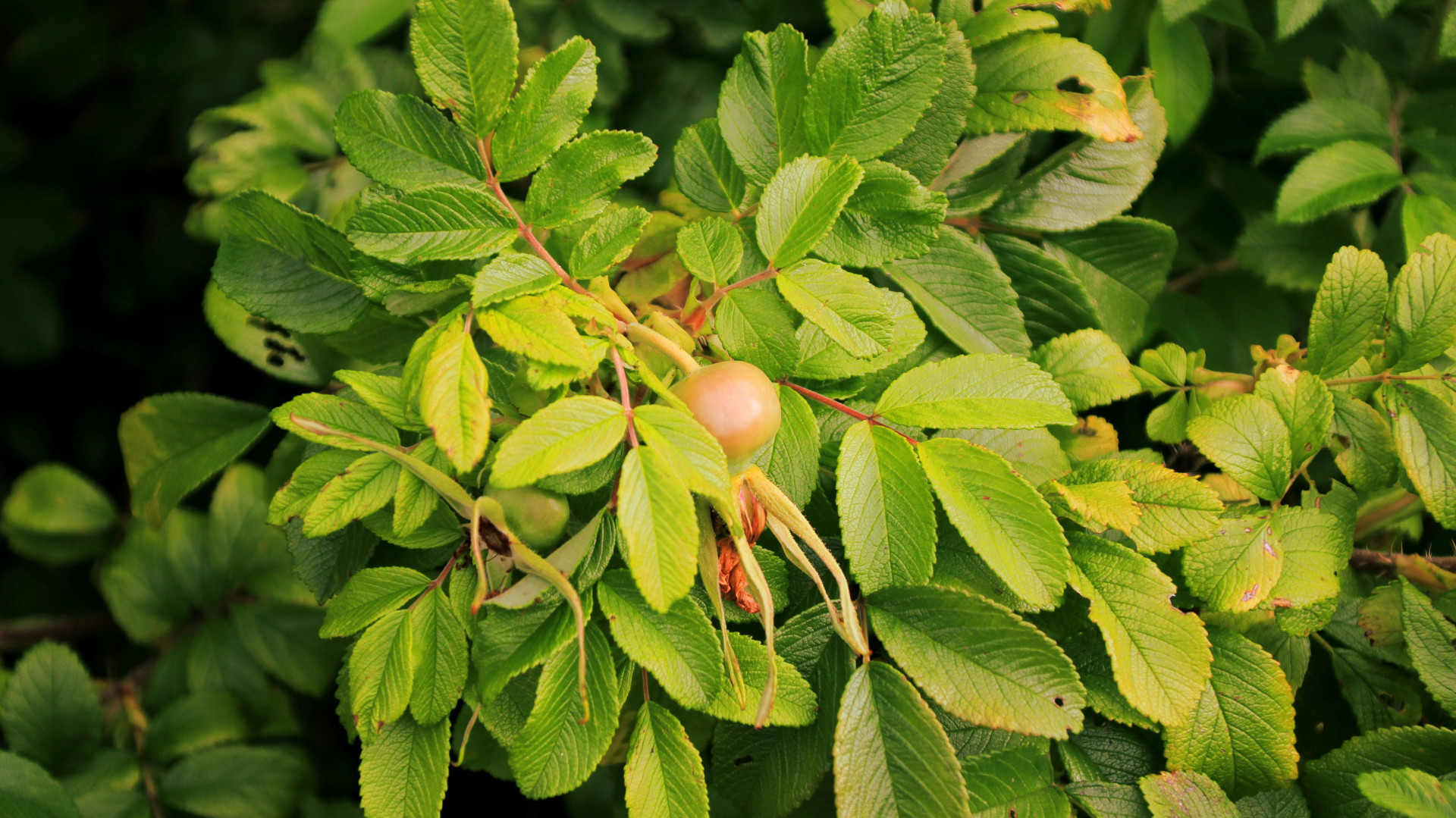
Fruit bushes explained: a beginner’s guide
Fruit bushes are an easy and decorative way to bring life, colour and flavour to the garden. Whether you dream of juicy currants, sweet blueberries or aromatic blackcurrants, there is a fruit bush to suit both your taste and your garden environment. However, for beginners it can be difficult to know where to start: which varieties thrive best in Denmark, how much care they require and how to choose the right type?
In this article you will get an overview of the most important considerations when choosing fruit bushes, as well as an introduction to the different types, brands and practical tips to get off to a good start.
The article presents a wide selection of fruit bushes representing different varieties, growth forms and price ranges. The aim is to provide an overview of the options available on the market, making it easier for you to find a bush that suits your garden and preferences. The product information is based on publicly available descriptions from manufacturers and distributors, and has been summarised to provide a clear and informative overview.
Factors to consider when buying a fruit bush
When choosing fruit bushes, there are several factors that influence your decision, from soil type and sun exposure to maintenance and harvest time. Here are some of the most important considerations.
1. Soil and location
Most fruit bushes thrive best in well-drained soil and sunny locations. Some, such as blueberries, require acidic soil (low pH), while others, such as red and blackcurrants, are more tolerant. Consider the soil conditions in your garden before choosing a variety.
2. Pollination and number of plants
Some fruit bushes, such as black and redcurrants, are self-fertile, while others, such as blueberries and raspberries, produce more if you plant several varieties together. Therefore, always check whether the bush you choose needs a pollinator plant.
3. Care and pruning
Regular pruning ensures that the bush stays healthy and produces good fruit. Most fruit bushes are pruned in early spring or after harvest. Consider how much time you want to spend on maintenance.
4. Harvest and use
Think about how you will use the fruit: for eating fresh, making juice, jam or baking. Some varieties produce large, sweet berries, while others have a more acidic flavour, ideal for processing.
5. Price and size
Fruit bushes are available in many sizes and price ranges. Smaller plants are cheaper but take longer to bear fruit. Larger, more developed plants cost more but produce sooner.
Products in focus
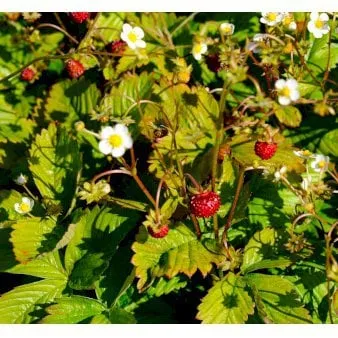
The wild strawberry (Fragaria vesca) is a perennial plant that grows low and forms dense clumps with runners that spread quickly and cover the ground. It thrives best in light to partial shade, in garden soil that retains moisture, and requires little maintenance once established.
The plant reaches about 10–20 cm in height and has green, serrated leaves. In May–June, it blooms with small white flowers that later turn into red, aromatic berries. Under favourable conditions, it may produce an additional flowering and fruiting later in the summer.
The wild strawberry is suitable as ground cover in flower beds, under shrubs, or as a border plant in the kitchen garden. In addition, it is a host plant for the grizzled skipper butterfly, thus contributing to garden biodiversity.
- Low-growing ground cover: Forms dense clumps and spreads by runners.
- Edible berries: Small, red, aromatic fruits during the summer months.
- Flowering: White flowers in May–June, with the possibility of additional flowering later in the season.
- Location: Thrives in full sun or partial shade in moisture-retaining soil.
- Native species: Contributes to a natural, insect-friendly garden environment.
Pros and cons
- Easy-to-grow and undemanding plant
- Effectively covers the ground and suppresses weeds
- Produces edible berries
- Attracts pollinators and butterflies
- Can spread quickly and therefore requires some control in small flower beds
- The berries are small and ripen over an extended period
Pros and cons
Pros
- Easy-to-grow and undemanding plant
- Effectively covers the ground and suppresses weeds
- Produces edible berries
- Attracts pollinators and butterflies
Cons
- Can spread quickly and therefore requires some control in small flower beds
- The berries are small and ripen over an extended period
Pros
- Easy-to-grow and undemanding plant
- Effectively covers the ground and suppresses weeds
- Produces edible berries
- Attracts pollinators and butterflies
Cons
- Can spread quickly and therefore requires some control in small flower beds
- The berries are small and ripen over an extended period
Specifications
- Botanical name: Fragaria vesca
- Height: 10–20 cm
- Width: 20–40 cm
- Planting density: 7–9 plants per m²
- Planting distance: approx. 30 cm
- Flowering period: May–June (possibly again later in the summer)
- Flower colour: white
- Fruit colour: red
- Leaf colour: green
- Growth form: ground cover, forming clumps with runners
- Location: sun / partial shade
- Growing conditions: moisture-retaining garden soil
- Hardiness: fully hardy
- Use: ground cover, border plant, pots
- Ripening period: June–August
Product descriptions
The wild strawberry (Fragaria vesca) is a perennial plant that grows low and forms dense clumps with runners that spread quickly and cover the ground. It thrives best in light to partial shade, in garden soil that retains moisture, and requires little maintenance once established.
The plant reaches about 10–20 cm in height and has green, serrated leaves. In May–June, it blooms with small white flowers that later turn into red, aromatic berries. Under favourable conditions, it may produce an additional flowering and fruiting later in the summer.
The wild strawberry is suitable as ground cover in flower beds, under shrubs, or as a border plant in the kitchen garden. In addition, it is a host plant for the grizzled skipper butterfly, thus contributing to garden biodiversity.
- Low-growing ground cover: Forms dense clumps and spreads by runners.
- Edible berries: Small, red, aromatic fruits during the summer months.
- Flowering: White flowers in May–June, with the possibility of additional flowering later in the season.
- Location: Thrives in full sun or partial shade in moisture-retaining soil.
- Native species: Contributes to a natural, insect-friendly garden environment.
Pros and cons
- Easy-to-grow and undemanding plant
- Effectively covers the ground and suppresses weeds
- Produces edible berries
- Attracts pollinators and butterflies
- Can spread quickly and therefore requires some control in small flower beds
- The berries are small and ripen over an extended period
Pros and cons
Pros
- Easy-to-grow and undemanding plant
- Effectively covers the ground and suppresses weeds
- Produces edible berries
- Attracts pollinators and butterflies
Cons
- Can spread quickly and therefore requires some control in small flower beds
- The berries are small and ripen over an extended period
Pros
- Easy-to-grow and undemanding plant
- Effectively covers the ground and suppresses weeds
- Produces edible berries
- Attracts pollinators and butterflies
Cons
- Can spread quickly and therefore requires some control in small flower beds
- The berries are small and ripen over an extended period
Specifications
- Botanical name: Fragaria vesca
- Height: 10–20 cm
- Width: 20–40 cm
- Planting density: 7–9 plants per m²
- Planting distance: approx. 30 cm
- Flowering period: May–June (possibly again later in the summer)
- Flower colour: white
- Fruit colour: red
- Leaf colour: green
- Growth form: ground cover, forming clumps with runners
- Location: sun / partial shade
- Growing conditions: moisture-retaining garden soil
- Hardiness: fully hardy
- Use: ground cover, border plant, pots
- Ripening period: June–August
Different types of fruit bushes
Fruit bushes come in many varieties, each with its own characteristics, flavours and care needs. Here are some of the most common types you can consider.
1. Red and blackcurrants
Red and blackcurrants are classic choices in Danish gardens. They are hardy, easy to grow and produce abundant berries that can be used for juices, jellies and baking. They thrive best in sunny spots with slightly moist soil.
2. Blueberries
Blueberry bushes require acidic soil and thrive best in acidic beds or large pots with peat. They produce sweet, aromatic berries and also have beautiful autumn colours that make them decorative all year round.
3. Raspberries and blackberries
These bushes grow quickly and produce large quantities of berries in late summer. They require support and regular pruning but reward you with a plentiful harvest. There are summer and autumn varieties, allowing you to extend the season.
4. Gooseberries
Gooseberries are robust and tolerate both cold and wind. They produce tart berries, ideal for jams and desserts. However, note that some varieties have thorns, so gloves are recommended when picking them.
5. Sour cherries and bush fruits
Some small fruit trees, such as sour cherries and dwarf apple trees, are grown as bushes and are ideal for small gardens. They require a bit more space but offer beautiful flowers and decorative fruit.
Different brands of fruit bushes
There are many producers and nurseries offering high-quality fruit bushes. Here are some of the best-known names on the market.
Jespers Planteskole
A Danish producer focused on hardy varieties that thrive in Nordic climates. They offer a wide range of berry bushes, including organic varieties.
Plantetorvet
Plantetorvet is one of Denmark’s largest online nurseries and offers many types of fruit bushes from both Danish and foreign suppliers. Their range covers everything from classic varieties to newer hybrids.
Lundhede Planteskole
Lundhede is known for its quality and good prices. They offer fruit bushes in various sizes and supply both private individuals and professional gardeners.
Bakker.com
An international brand with a large selection of fruit bushes, flowers and garden plants. They focus on easy solutions for amateur gardeners and deliver directly to your home.
Bilka Havecenter
Bilka offers a wide range of fruit bushes at affordable prices. The selection varies by season but often includes popular varieties such as redcurrants, blackcurrants and blueberries.
Frequently asked questions
When is the best time to plant fruit bushes?
The best time is in spring or autumn, when the soil is moist and the temperature is mild. If you plant in autumn, the bush will have time to develop roots before winter.
How long does it take for a fruit bush to bear fruit?
Most fruit bushes start producing fruit after 2–3 years. Some, such as raspberries, can bear fruit in the first year, while blueberries usually take a little longer.
Should fruit bushes be fertilised?
Yes, but only moderately. Use organic fertiliser or compost in spring to support growth. Avoid over-fertilising, as it can produce lots of leaves but fewer fruits.
Can fruit bushes be grown in pots?
Many fruit bushes, especially blueberries and currants, grow well in large pots. Make sure there is good drainage and regular watering, as soil in pots dries out faster.
How should fruit bushes be pruned?
Pruning depends on the variety, but in general old and weak branches are removed to make room for new shoots. This promotes both health and fruit production.
Læs også: