Home Insulation: How to Prepare Your Property for Future Energy Standards

Home Insulation: How to Prepare Your Property for Future Energy Standards
With the UK government tightening energy efficiency targets and energy prices remaining unpredictable, improving your home’s insulation has never been more important. Proper insulation reduces heat loss, lowers bills, and helps meet future environmental standards. But where should you begin, and what should you consider? Here’s a guide to making your property ready for the next generation of energy requirements.
Why Insulate?
A significant amount of heat in older British homes escapes through the roof, walls, floors, and windows. In effect, you’re paying to heat the outdoors. Upgrading your insulation can dramatically reduce this heat loss, cutting your energy consumption and carbon footprint.
Better insulation also improves comfort. Rooms stay warmer in winter and cooler in summer, and draughts become a thing of the past. In addition, an energy-efficient home is more attractive to buyers and can increase your property’s value.
Start with an Energy Assessment
Before you start any work, it’s wise to arrange a home energy assessment. A qualified energy assessor can identify where your property is losing heat and which improvements will deliver the best return.
A typical assessment may include:
- Thermal imaging to pinpoint heat loss areas.
- Inspection of loft, walls, floors, and windows.
- Calculations of potential savings and payback periods.
This professional insight helps you prioritise improvements and avoid costly mistakes.
Key Areas to Insulate
Loft and Roof
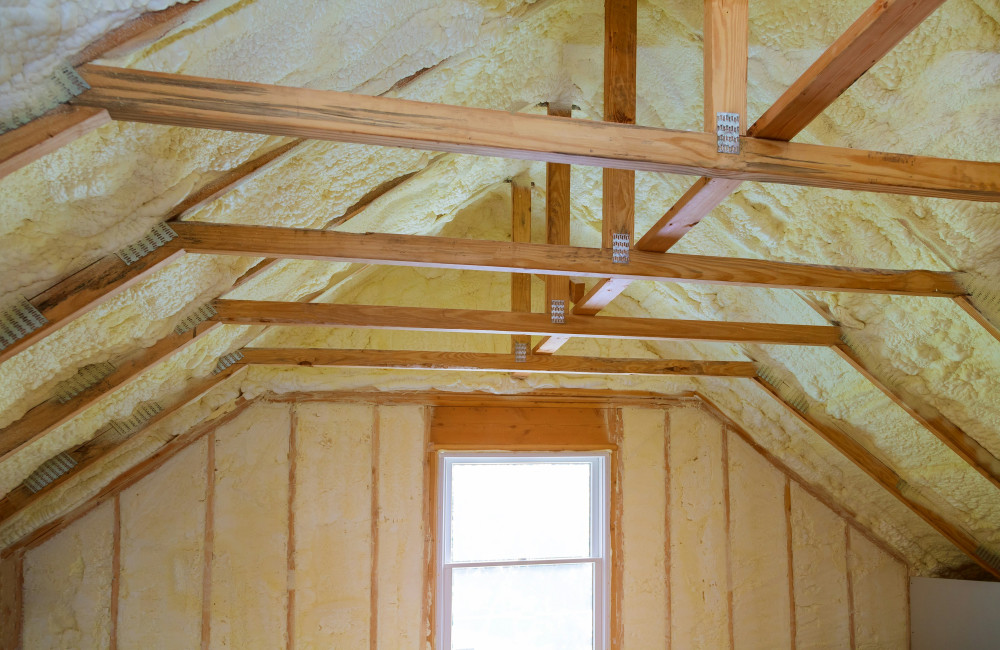
Heat rises, so the loft is often the most cost-effective place to start. Poorly insulated lofts can account for up to a quarter of a home’s heat loss. The recommended insulation depth for most UK homes is at least 270 mm. Ensure proper ventilation to prevent condensation and damp.
Walls
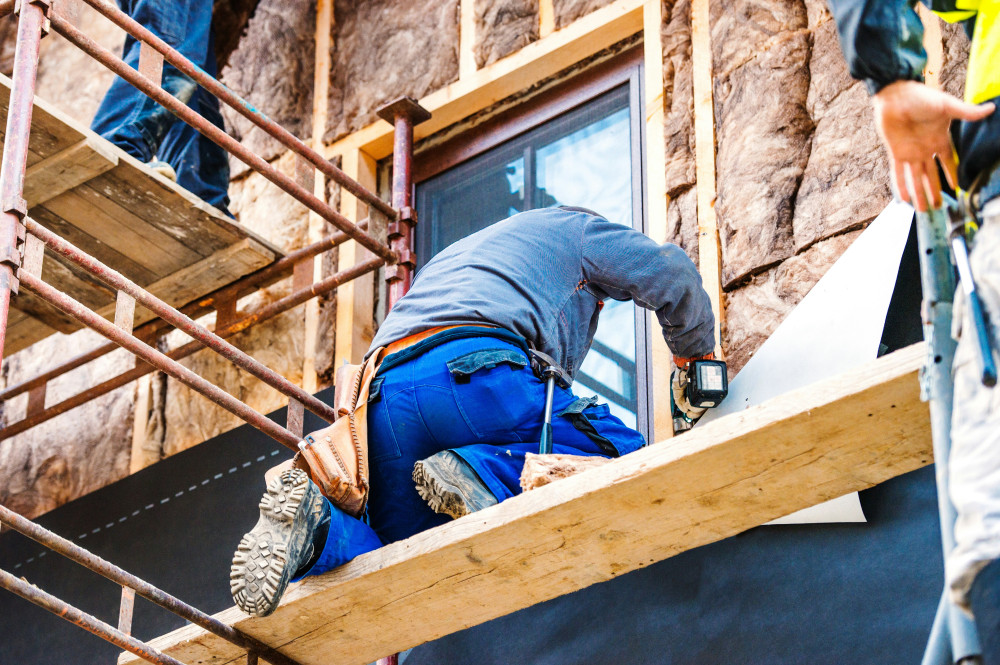
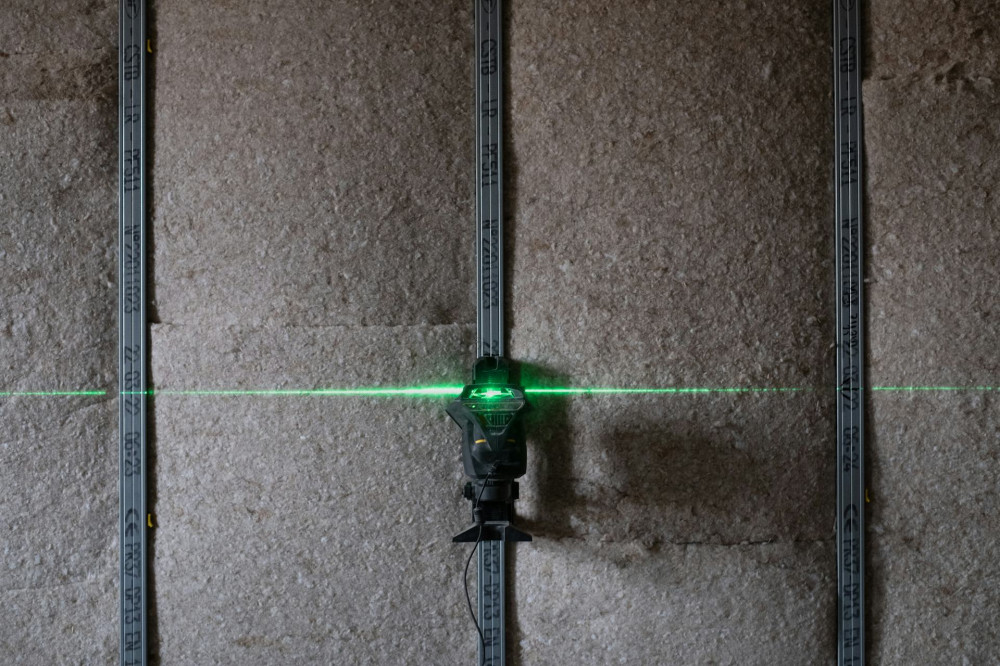
Most homes built before the 1990s have either solid walls or cavity walls that may not be insulated. Cavity wall insulation involves filling the gap between the inner and outer walls with insulating material, while solid walls can be insulated internally or externally. External insulation is more effective but usually more expensive and may require planning permission.
Floors
Cold floors can make a home uncomfortable and increase heating costs. Insulating suspended timber floors from below or adding insulation during renovation can make a noticeable difference. For solid floors, insulation can be added on top, though this may require adjusting skirting boards and doors.
Windows and Doors
While you can’t insulate windows in the same way as walls, upgrading to double or triple glazing can significantly reduce heat loss. If replacement isn’t an option, draught-proofing and secondary glazing are affordable alternatives that still improve efficiency.
Choosing the Right Materials
There’s a wide range of insulation materials available, from traditional mineral wool to eco-friendly options. The best choice depends on your property type, budget, and environmental priorities.
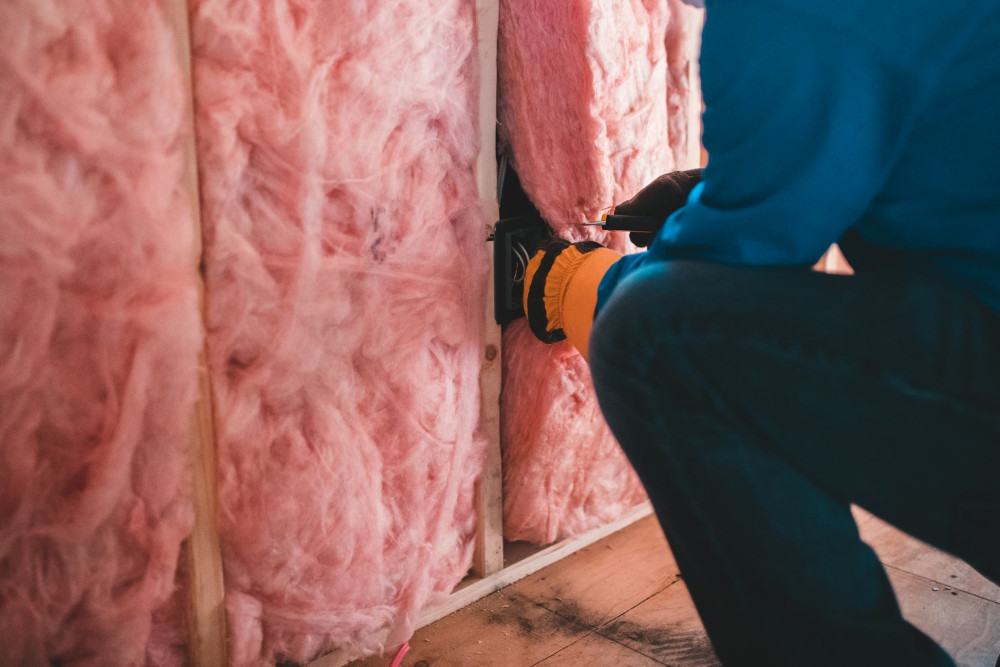
- Mineral wool (glass or rock wool) is affordable, effective, and widely used.
- Sheep’s wool and wood fibre are natural, breathable materials ideal for older buildings.
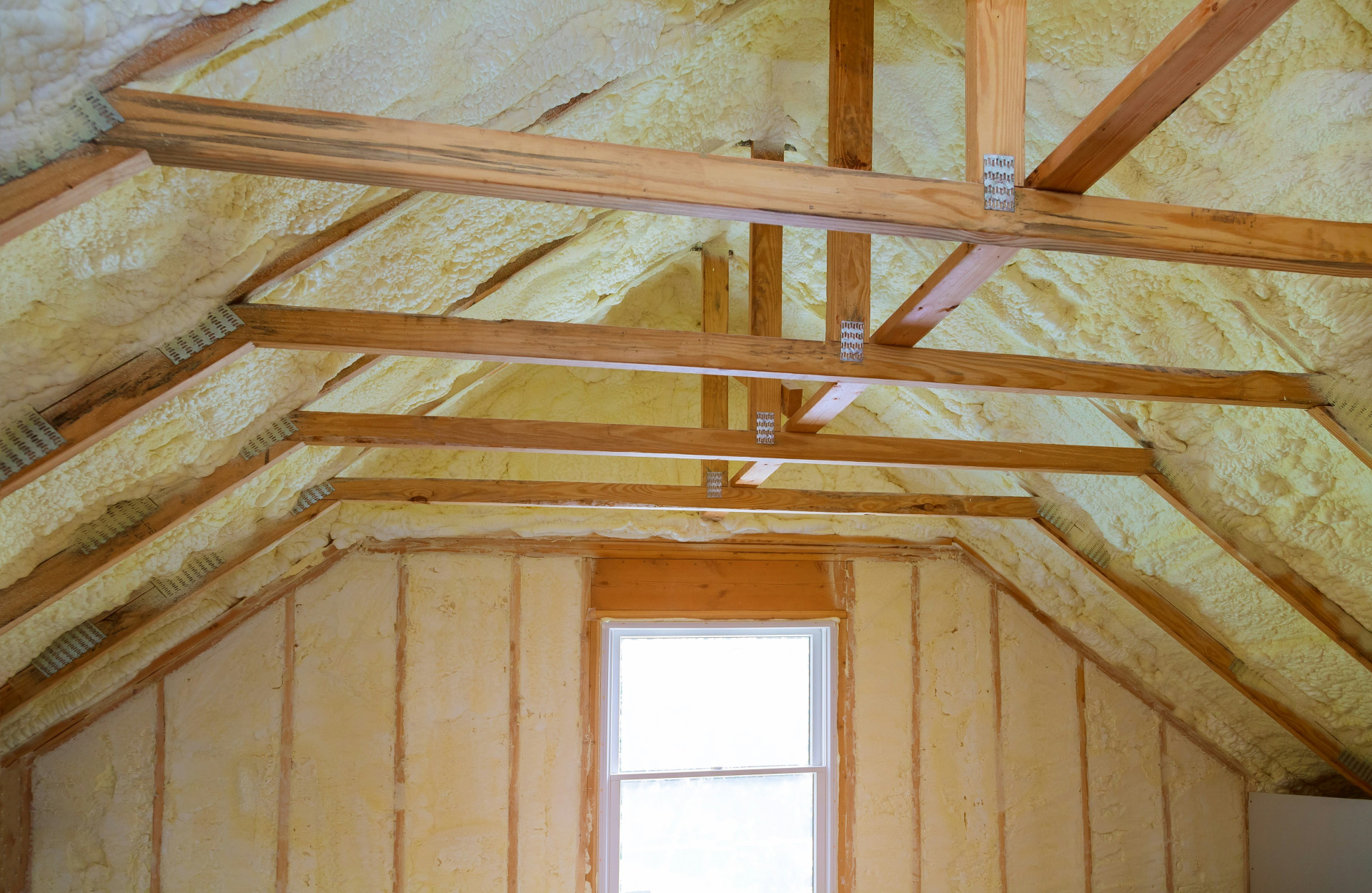
- Rigid foam boards offer high performance in limited spaces, such as under floors or in roofs.
Whatever material you choose, correct installation is crucial. Poorly fitted insulation can lead to damp, mould, and reduced performance.
Common Mistakes to Avoid
Insulation projects can go wrong if not properly planned. Watch out for these pitfalls:
- Blocking ventilation, which can cause condensation and poor air quality.
- Skipping vapour barriers, leading to damp and mould.
- Uneven insulation, which creates cold spots and reduces efficiency.
For larger or more complex projects, it’s best to hire a professional installer accredited under schemes such as TrustMark or PAS 2030.
Læs også:

Costs and Support
Insulation is an investment that pays off through lower energy bills and improved comfort. Depending on the project, the payback period can range from five to ten years.
There are also government grants and schemes to help with costs. The Great British Insulation Scheme and ECO4 (Energy Company Obligation) offer support for eligible households. Check your local council or energy supplier’s website for details.
The Future of Energy-Efficient Homes
Improving your home’s insulation isn’t just about saving money—it’s about future-proofing your property and contributing to the UK’s net-zero goals. A well-insulated home uses less energy, emits less carbon, and provides a healthier living environment.
Whether you live in a Victorian terrace or a modern semi-detached, taking steps now to improve insulation will ensure your home is comfortable, sustainable, and ready for the energy standards of tomorrow.
Læs også: