Intelligent vapour barriers that adapt to moisture conditions

Intelligent vapour barriers that adapt to moisture conditions
In modern construction, moisture control is essential for comfort, energy efficiency, and durability. One of the most promising innovations in this field is the intelligent vapour barrier – a material that automatically adapts to changing humidity levels within a building. It marks a shift from static protection to dynamic systems that work in harmony with the building’s natural environment.
What is an intelligent vapour barrier?
A traditional vapour barrier is a sealed layer – often made of plastic – designed to prevent warm, moist indoor air from entering the building fabric, where it could condense and cause mould or rot. The drawback is that once moisture does get into the structure, a conventional barrier can also trap it there.
An intelligent vapour barrier behaves differently. It is made from a material that changes its vapour permeability depending on the surrounding humidity. When the air is dry, it acts as a tight barrier; when humidity rises, it becomes more open, allowing trapped moisture to escape. In this way, the construction can “breathe” and maintain a balanced moisture level naturally.
Læs også:
How the technology works
The key lies in special polymers that respond to moisture. At low relative humidity, the molecular structure is dense, restricting the passage of water vapour. As humidity increases, the structure expands, and the material becomes more vapour-permeable. This process happens automatically, without sensors or electricity – it is the chemistry of the material itself that does the work.
The result is a barrier that protects against internal moisture during the cold months, while allowing drying in summer when vapour movement reverses. This creates a more resilient and self-regulating building envelope.
Practical benefits
Using intelligent vapour barriers offers several advantages:
- Reduced risk of mould and damp damage – because the structure can dry out if moisture occurs.
- Improved indoor air quality – stable moisture levels in walls and ceilings reduce the risk of poor air and allergens.
- Longer building lifespan – materials such as timber and insulation stay dry and retain their performance.
- Design flexibility – particularly valuable in airtight, energy-efficient homes where moisture control is critical.
Where are they used?
In the UK, intelligent vapour barriers are increasingly used in timber-frame houses, retrofits, and low-energy buildings. They are suitable for walls, roofs, and ceilings, and can be combined with most insulation types.
They are especially useful in older properties undergoing internal insulation upgrades. In such cases, the risk of trapped moisture is high because the original walls were designed to breathe. An intelligent vapour barrier provides an extra layer of protection, helping to prevent condensation and decay.
Installation and maintenance
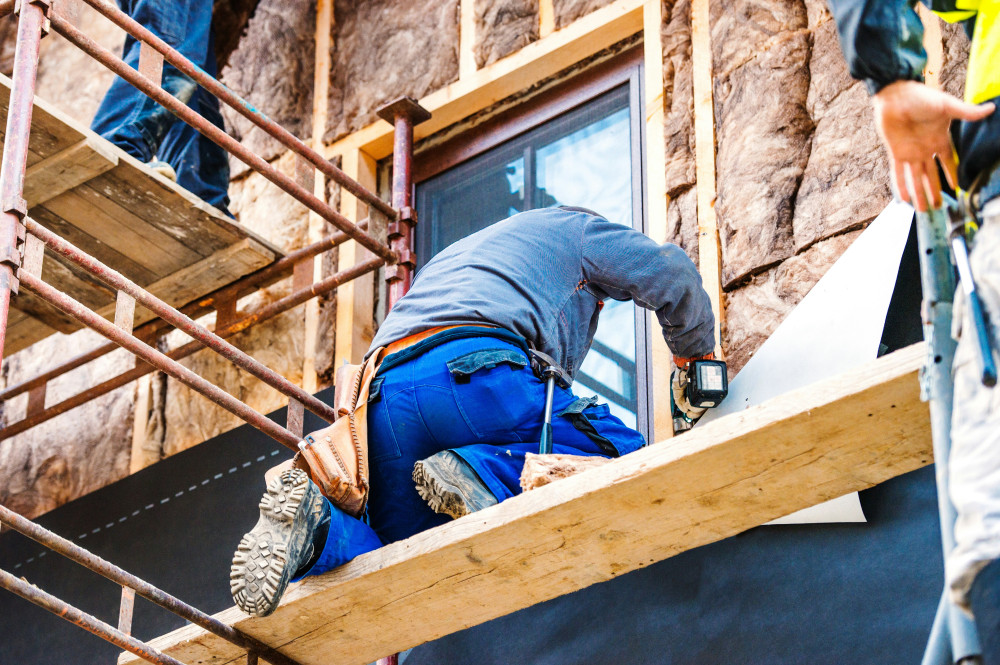
Installing an intelligent vapour barrier is much like fitting a conventional one. It must be carefully sealed at joints, penetrations, and edges to prevent air leakage. The difference lies in the material’s properties, not in the installation technique.
Once properly installed, it requires no maintenance. Its moisture-regulating function is built into the material and remains effective throughout the building’s life.
A step towards sustainable construction
As UK buildings become more airtight and energy-efficient, the need for smart moisture management grows. Intelligent vapour barriers are a prime example of how modern material science can unite energy performance and building physics.
They contribute to healthier indoor environments, lower maintenance costs, and more sustainable building operation – all without compromising comfort.
A thin layer with a big impact
Although a vapour barrier is only a thin layer within the building envelope, it plays a crucial role in the overall performance. With intelligent variants, we gain a material that not only protects but also interacts with its surroundings. It is a step towards buildings that can regulate themselves – lasting longer, performing better, and using less energy.
Læs også: