Eco-Friendly Roof Insulation – How to Choose the Right Materials

Eco-Friendly Roof Insulation – How to Choose the Right Materials
A well-insulated roof is not only an investment in lower energy bills – it’s also a key step towards a more sustainable home. By choosing eco-friendly insulation materials, you can reduce your carbon footprint while improving comfort and energy efficiency. But what exactly makes a material environmentally friendly, and how do you choose the right one for your roof? Here’s a guide to the most sustainable options and the factors to consider before you start.
Why Choose Eco-Friendly Insulation?
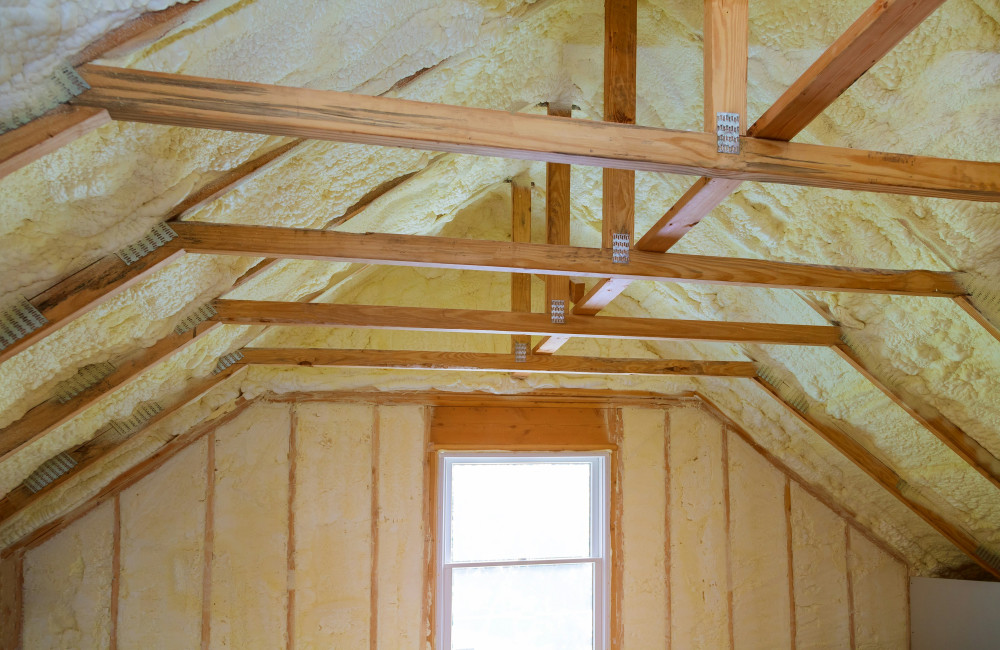
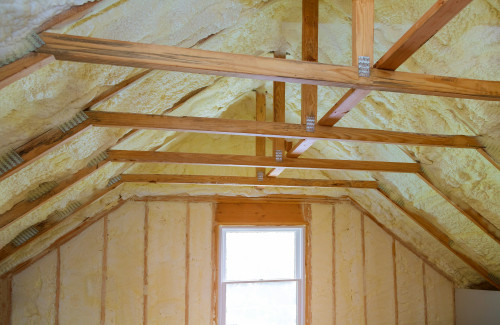
Traditional insulation materials such as mineral wool and polyurethane foam have long been the standard in UK construction. However, they often require large amounts of energy to produce and can be difficult to recycle. Eco-friendly alternatives are made from natural, renewable, or recycled resources, offering lower embodied carbon and better end-of-life recyclability.
Natural materials also tend to create a healthier indoor environment. Many can absorb and release moisture without losing their insulating properties, helping to prevent condensation and mould while maintaining a comfortable indoor climate all year round.
The Most Sustainable Materials for Roof Insulation
The best insulation for your roof depends on the building type, budget, and sustainability goals. Below are some of the most environmentally friendly options available in the UK:
-
Wood fibre insulation – made from by-products of sustainable forestry and sawmills. It offers excellent thermal performance, high heat storage capacity, and is fully recyclable or compostable. Wood fibre boards are ideal for pitched roofs and older properties where breathability is important.
-
Cellulose (recycled paper) insulation – produced from recycled newspaper treated with natural fire and mould inhibitors. It’s blown into cavities, making it perfect for retrofitting. Cellulose has one of the lowest carbon footprints of any insulation material and can be reused or recycled at the end of its life.
-
Hemp and flax – fast-growing crops that require little fertiliser or pesticides. Hemp and flax insulation batts are flexible, breathable, and biodegradable. They’re increasingly popular in eco-builds and renovations aiming for low embodied carbon.
-
Sheep’s wool – a renewable and natural material that insulates effectively and regulates humidity. It can absorb moisture without losing performance and helps purify indoor air. Wool insulation is more expensive than some alternatives and must be treated against moths, but it’s a durable and sustainable choice.
-
Cork – harvested from the bark of cork oak trees without harming them. It’s a 100% natural, renewable material with excellent thermal and acoustic properties. Cork boards are suitable for flat roofs and can be reused or recycled after decades of use.
Consider the Whole Life Cycle
When assessing how eco-friendly a material is, it’s important to look at its entire life cycle – from raw material extraction and manufacturing to transport, use, and disposal. A natural product may still have a high carbon footprint if it’s imported from far away or requires energy-intensive processing.
Look for certifications such as BREEAM, EU Ecolabel, or Cradle to Cradle, which indicate that a product meets strict environmental and health standards. You can also check the manufacturer’s Environmental Product Declaration (EPD) for detailed information about the material’s environmental impact.
Combining Insulation and Ventilation
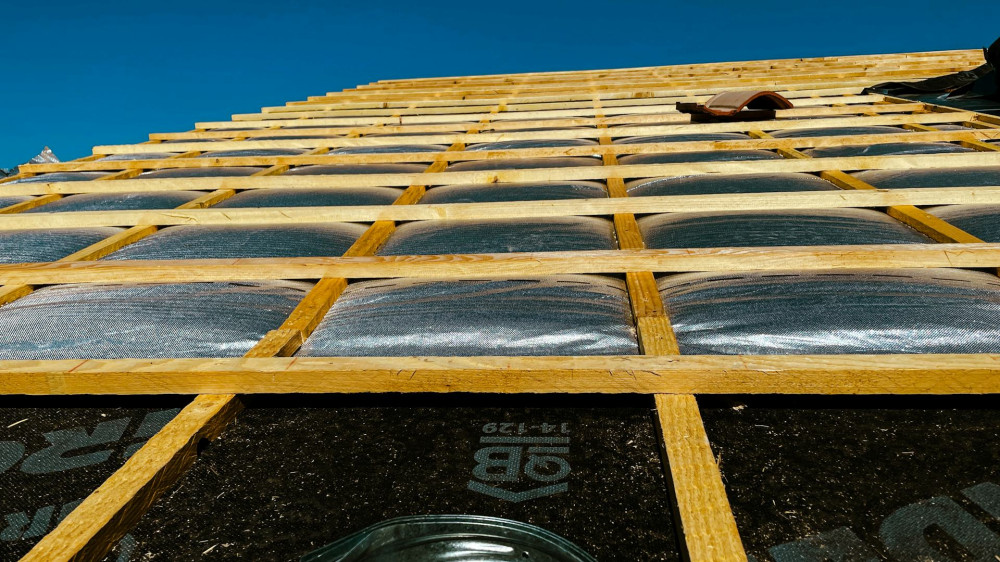
An eco-friendly roof isn’t just about the insulation material – proper installation and ventilation are equally important. Even the best insulation can cause problems if moisture becomes trapped. Ensure there’s adequate airflow between the insulation and roof covering to allow moisture to escape.
You might also consider combining insulation with other sustainable features, such as solar panels, green roofs, or rainwater harvesting systems. These additions can further reduce your home’s environmental impact and increase its value.
Professional Advice Pays Off
While some insulation projects can be tackled by experienced DIYers, it’s often worth consulting a qualified energy assessor or building professional. They can calculate the optimal insulation thickness, assess moisture risks, and ensure compliance with UK Building Regulations and Part L energy efficiency standards.
A professional assessment can also help you decide whether it’s best to retrofit insulation to your existing roof or replace it entirely – particularly if your roof is due for renovation.
Læs også:
A Greener Roof – and a Better Future
Choosing eco-friendly roof insulation is an investment that benefits both your home and the planet. You’ll reduce energy consumption, improve indoor comfort, and support a more sustainable construction industry. With the right materials and a well-planned installation, you can create a roof that lasts for decades – keeping your home warm, efficient, and environmentally responsible.
Læs også: