Roof Type and Finances: What Are the Long-Term Costs?

Roof Type and Finances: What Are the Long-Term Costs?
When choosing a roof for your home, the decision is rarely just about appearance. The type of roof you select has a major impact on your finances, maintenance needs, and property value over time. A roof can last anywhere from 20 to more than 100 years, and the differences in lifespan, cost, and energy efficiency can be significant. Here’s an overview of how the most common roof types perform financially – not just at installation, but throughout their lifetime.
Clay Tiles – The Classic with Longevity
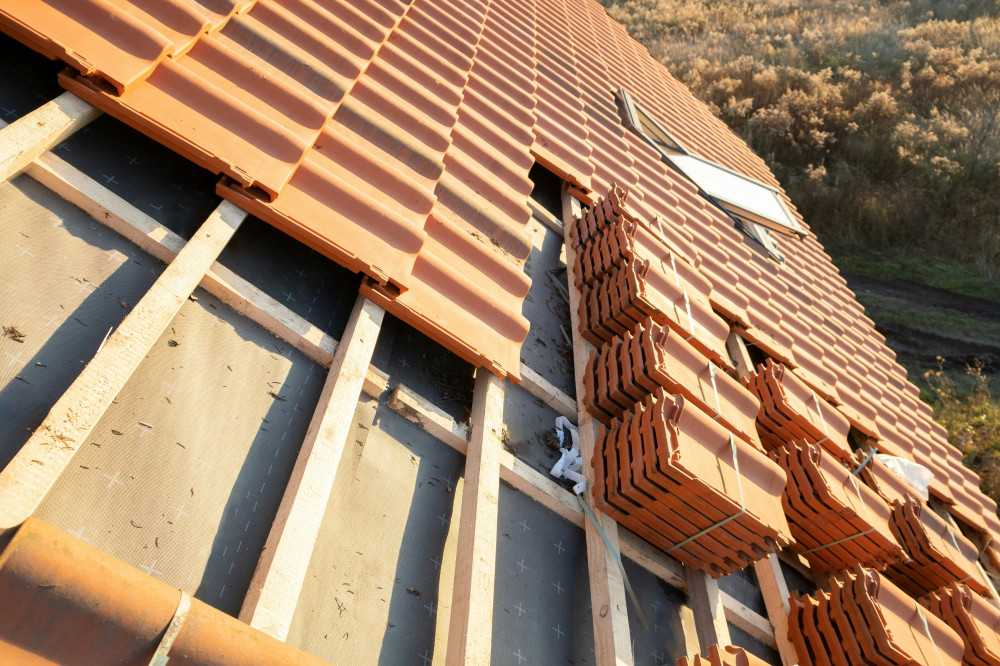
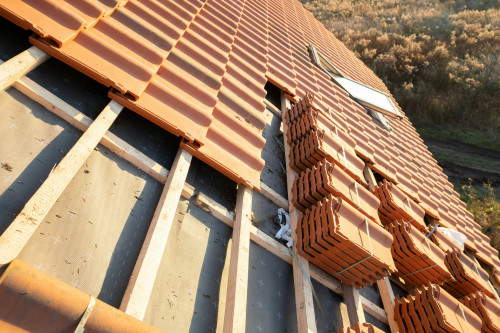
Clay tiles are a traditional choice in the UK, especially for period homes and properties in conservation areas. They are durable, attractive, and can last up to 100 years if properly maintained. The initial cost is high, but the long lifespan means you’re unlikely to need a replacement in your lifetime.
Clay tiles are heavy, so the roof structure must be strong enough to support them. They also require occasional cleaning to remove moss and debris. On the plus side, clay tiles are breathable and help regulate moisture, contributing to a healthy indoor climate.
Long-term economics: High upfront cost, but low cost per year of use. A sound investment if you plan to stay in your home for decades.
Concrete Tiles – Affordable and Reliable
Concrete tiles look similar to clay but are cheaper to produce and install. They typically last 40–60 years and are highly resistant to wind and rain, making them suitable for most parts of the UK. However, they can become porous over time, leading to moss growth and colour fading.
They are also heavy, so structural strength is still important. Despite their shorter lifespan compared to clay, concrete tiles offer a good balance between cost and durability.
Long-term economics: Lower purchase price, moderate maintenance, and a solid lifespan. A practical choice for homeowners seeking value for money.
Fibre Cement (Slate-Look) Roofs – Lightweight and Cost-Effective
Fibre cement slates are a popular alternative to natural slate, offering a similar appearance at a fraction of the cost. They are lightweight, easy to install, and require minimal maintenance. Modern versions are asbestos-free and available in various finishes.
Their lifespan is typically 30–40 years, and while they are less durable than natural materials, they perform well in most weather conditions. Over time, they may discolour or crack if exposed to impact.
Long-term economics: Low initial cost and easy upkeep, but shorter lifespan. A sensible option for smaller homes or when working within a budget.
Metal Roofs – Lightweight and Low Maintenance
Metal roofing, often made from steel or aluminium, has become increasingly popular in the UK. It’s lightweight, quick to install, and requires very little maintenance. Modern coatings protect against corrosion and fading, and metal roofs can mimic the look of tiles or slate.
They typically last 30–50 years. The main drawbacks are potential noise during heavy rain and the need for proper insulation to prevent condensation.
Long-term economics: Low maintenance and moderate cost make it attractive, though lifespan and comfort factors should be considered.
Læs også:
Natural Slate – Premium and Timeless
Natural slate is one of the most prestigious roofing materials available. It’s elegant, durable, and can last well over 100 years. It’s also highly resistant to frost, wind, and UV light, maintaining its appearance for generations. Unsurprisingly, it comes with a high price tag and requires skilled installation.
There’s also synthetic slate, which is lighter and cheaper but typically lasts 30–50 years. Both options add significant aesthetic and resale value to a property.
Long-term economics: Very high initial cost, but minimal maintenance and exceptional longevity. Ideal for those investing in a long-term or heritage property.
Green Roofs – Sustainable but Maintenance-Dependent
Green roofs, covered with vegetation such as sedum or grass, are becoming more common in urban areas. They provide excellent insulation, absorb rainwater, and support biodiversity. Installation costs vary depending on the system, but they can last 30–50 years with proper care.
They require a waterproof membrane and regular inspection to prevent leaks. However, they can reduce energy bills and improve air quality, making them an environmentally friendly choice.
Long-term economics: Moderate cost with environmental benefits, but ongoing maintenance is essential. A good option for eco-conscious homeowners.
Which Roof Pays Off in the Long Run?
When considering total cost of ownership, the cheapest roof isn’t always the most economical over time. Clay and slate roofs may seem expensive initially, but their long lifespan and low maintenance often make them more cost-effective in the long run. Conversely, more affordable options like fibre cement or metal can be ideal if you don’t plan to stay in the property for many years.
Ultimately, the best roof depends on your home’s structure, local climate, and long-term plans. A roof is more than just a protective layer – it’s an investment in comfort, sustainability, and property value.
Læs også: