The development of energy requirements in roofing legislation over time

The development of energy requirements in roofing legislation over time
Energy performance standards for buildings – and particularly for roofs – have evolved dramatically over the past decades. Where roofs were once designed simply to keep out rain and wind, they are now expected to retain heat, generate power, and contribute to a building’s overall sustainability. The development of energy requirements in roofing legislation reflects technological progress, growing environmental awareness, and the UK’s political commitment to reducing carbon emissions.
From basic protection to energy efficiency
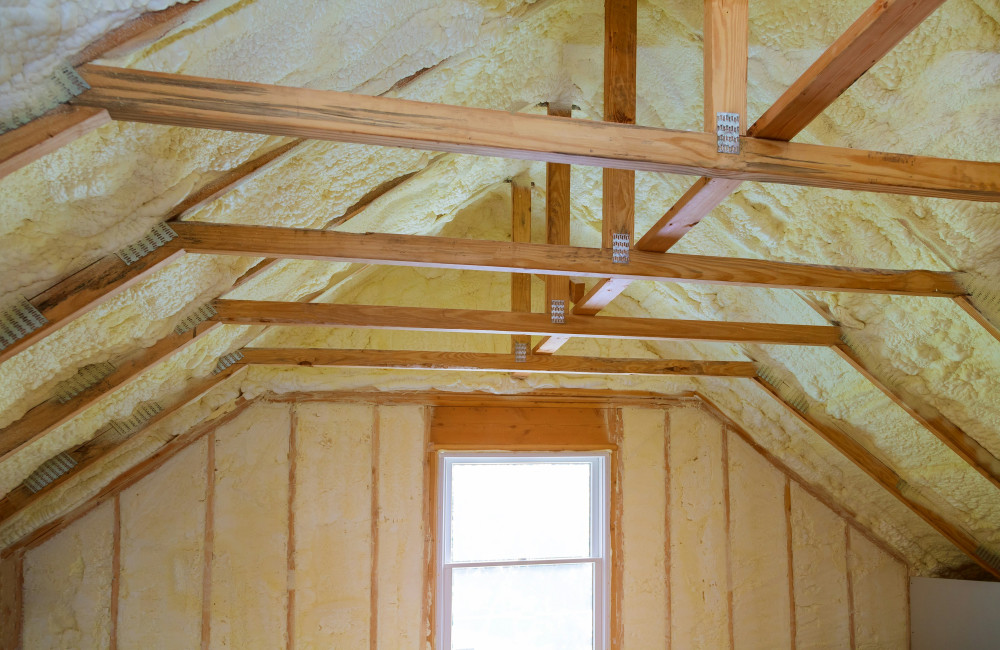
In the mid‑20th century, British building regulations placed little emphasis on energy efficiency. Roofs were typically insulated with a thin layer of mineral wool, and the main concern was durability and weather resistance. Energy was cheap, and the idea of conserving heat was not yet a national priority.
The oil crises of the 1970s changed that. Rising fuel prices and concerns about energy security led to the introduction of the first thermal performance standards in the Building Regulations. Roof insulation became a key focus, and minimum insulation thicknesses increased significantly.
1980s and 1990s: Tighter standards and improved materials
During the 1980s, the UK government began to tighten energy performance requirements. The 1985 Building Regulations introduced specific limits on heat loss, expressed through U‑values – a measure of how much heat passes through a building element. For roofs, this meant thicker insulation layers and better detailing to prevent cold bridges.
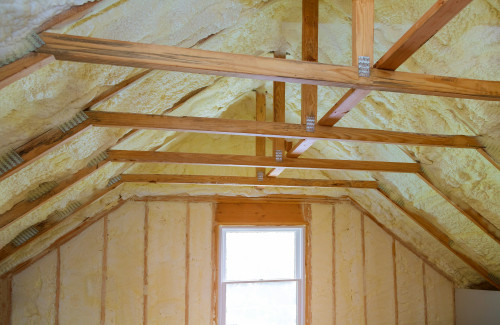
At the same time, new insulation materials entered the market. Rigid foam boards, improved mineral wool, and cellulose insulation offered higher performance and easier installation. The focus expanded from simple insulation to ensuring airtightness and proper ventilation, reducing the risk of condensation and mould.
Læs også:
2000s: Whole‑building energy performance
By the early 2000s, energy efficiency was no longer assessed element by element. The introduction of Part L of the Building Regulations (Conservation of Fuel and Power) brought a more holistic approach, requiring calculations of a building’s overall energy performance. Roofs were now evaluated not only for their insulation value but also for their contribution to the building’s total energy balance.
This period also saw the rise of renewable technologies. Solar panels, green roofs, and rooflights with low‑emissivity glazing became increasingly common, supported by government incentives such as the Feed‑in Tariff scheme. Roofing design began to integrate energy generation and environmental performance as standard practice.
2010s: Towards nearly zero‑energy buildings
In the 2010s, the UK’s energy standards became even more ambitious. Successive updates to Part L tightened U‑value limits and introduced stricter airtightness testing. The government’s target for “nearly zero‑energy buildings” pushed designers to consider every aspect of a roof’s performance – from insulation and ventilation to renewable integration.
Sustainability also became a key theme. Many developers began to favour materials with lower embodied carbon, such as recycled insulation or timber‑based products. Roofs were increasingly designed to support biodiversity and manage rainwater through green roof systems.
2020s: Net‑zero and life‑cycle thinking
Today, energy requirements are part of a broader climate agenda. The UK’s commitment to achieving net‑zero carbon emissions by 2050 has reshaped building policy. The Future Homes Standard and Future Buildings Standard, due to come into force later this decade, will demand even higher energy efficiency and lower carbon footprints.
For roofs, this means more than just thicker insulation. Life‑cycle assessments (LCAs) are becoming part of design practice, evaluating the environmental impact of materials from production to disposal. Solar photovoltaic systems are increasingly integrated into roof structures rather than added as separate components, and green roofs are recognised for their role in urban cooling and stormwater management.
The future: Smart and energy‑positive roofs
Looking ahead, roofs are set to become active components of building energy systems. Smart roofing technologies – combining solar generation, energy storage, and real‑time performance monitoring – are already emerging. Future regulations are likely to reward buildings that produce more energy than they consume, turning roofs into miniature power stations.
At the same time, circular economy principles are influencing design. Reusable materials, modular construction, and easy disassembly are becoming priorities, ensuring that roofing systems contribute to long‑term sustainability.
A story of innovation and policy
The evolution of energy requirements in roofing legislation mirrors the UK’s broader journey toward sustainability. Each shift in policy has been driven by a combination of technological innovation, economic pressure, and environmental responsibility.
From the first insulation standards of the 1970s to today’s net‑zero ambitions, the roof has transformed from a passive barrier into an active energy asset. This transformation continues – and will shape the future of British building design for decades to come.
Læs også: